Design of a master plan and public spaces for an eco-district accommodating 3,300 new residents on a former contaminated industrial site, incorporating comprehensive nature-based solutions.
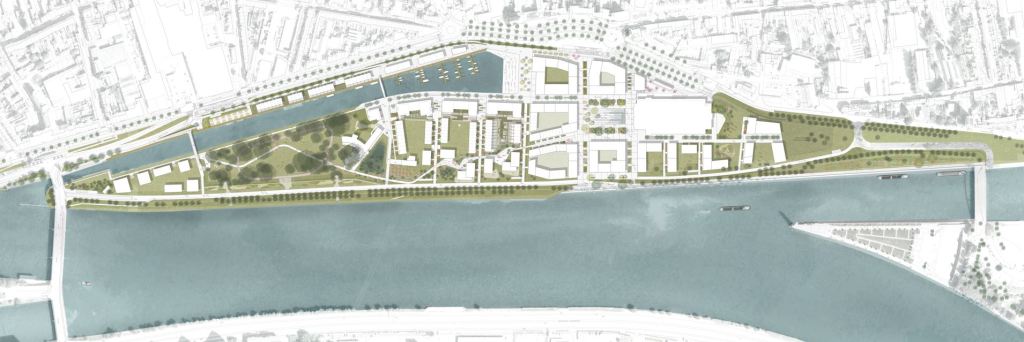
The Coronmeuse Peninsula in Liège, originally the site of the 1930 International Exhibition celebrating Belgium’s centenary, was selected as a candidate for the 2017 International Expo. Although the city of Liège was not ultimately chosen to host the Expo, the vision for the site evolved into an ambitious urban renewal project: the creation of the Rives Ardentes Eco-District. This initiative aimed to transform the buildings initially planned for the Expo into a sustainable, mixed-use neighbourhood, setting a benchmark for ecological urban development.
The development of the eco-district was the result of a comprehensive collaborative design process involving NEO-LEGIA, urban planners and landscape architects from BUUR, engineers from GESPLAN, ACHER, and LUMINUX, and architectural firms SYNTAXE, ARTAU, ALTIPLAN, and AAST. The project was carried out in close consultation with the City of Liège, the Walloon Region, and the Port Autonome de Liège.
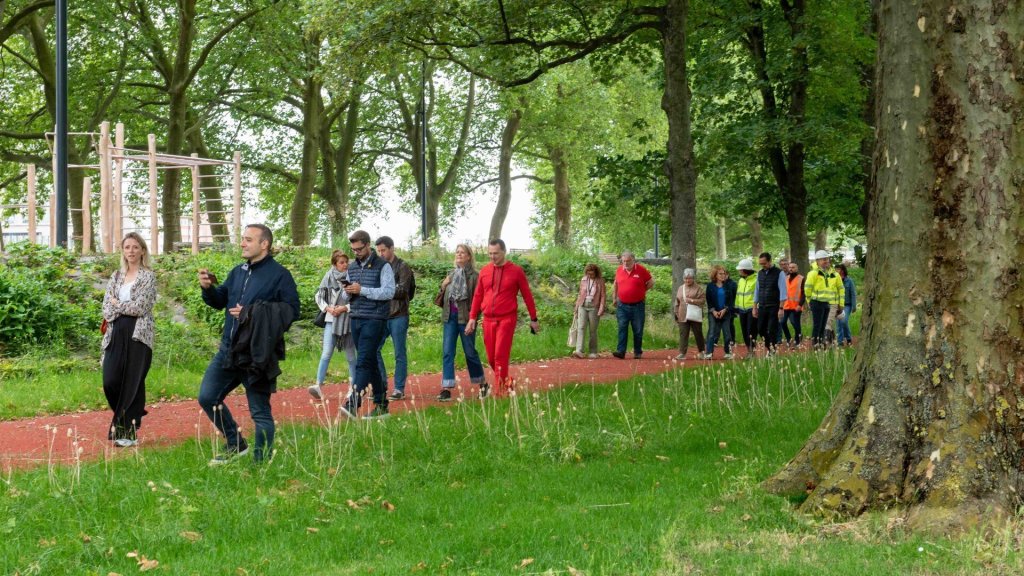
From 2017 to 2019, numerous meetings and workshops were conducted, including technical consultations with various city services and stakeholders, ensuring a holistic approach to the project. This included technical workshops, consultations on tree preservation, planting selections, and roundtable discussions with parties involved in the Tram project.
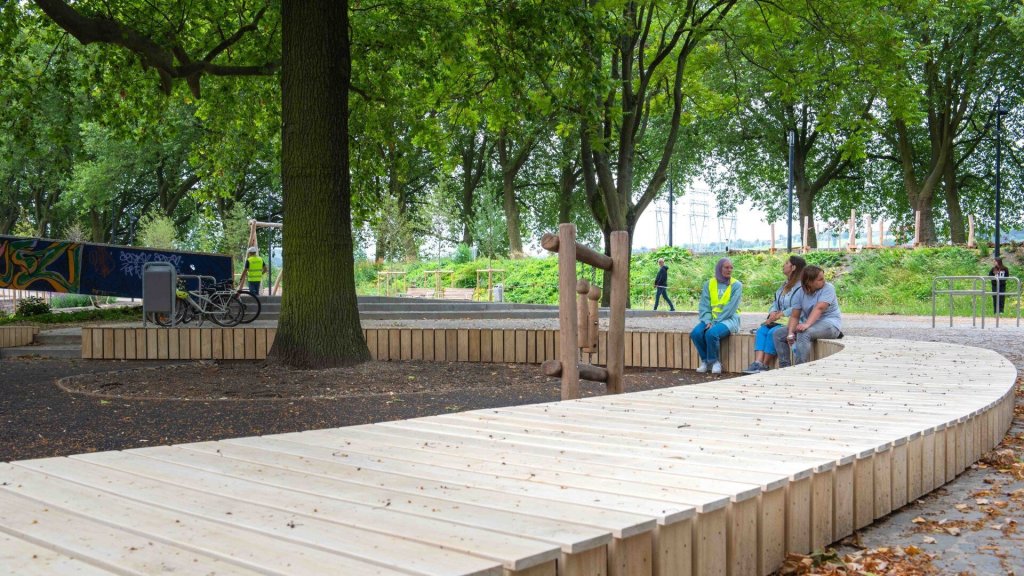
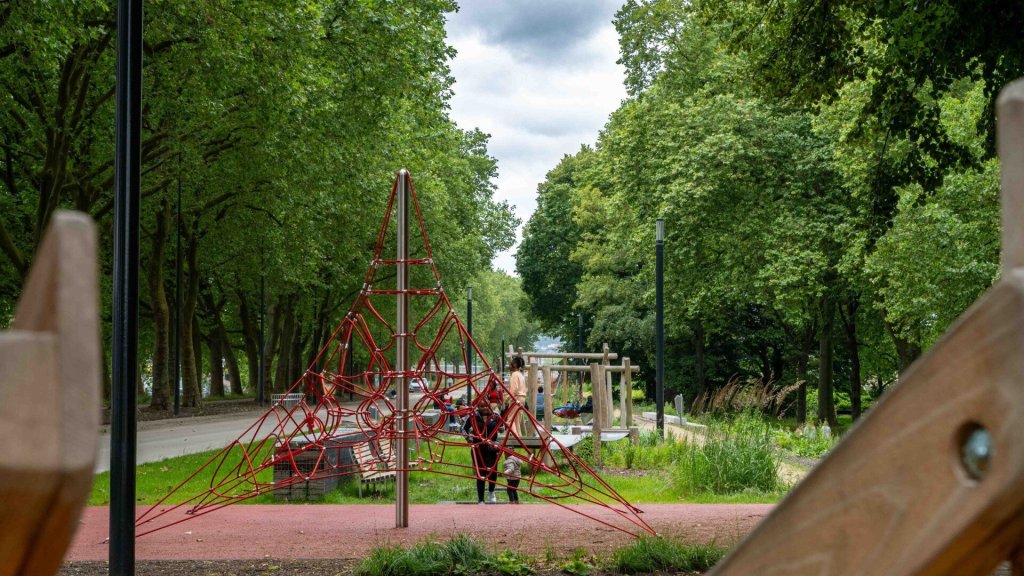
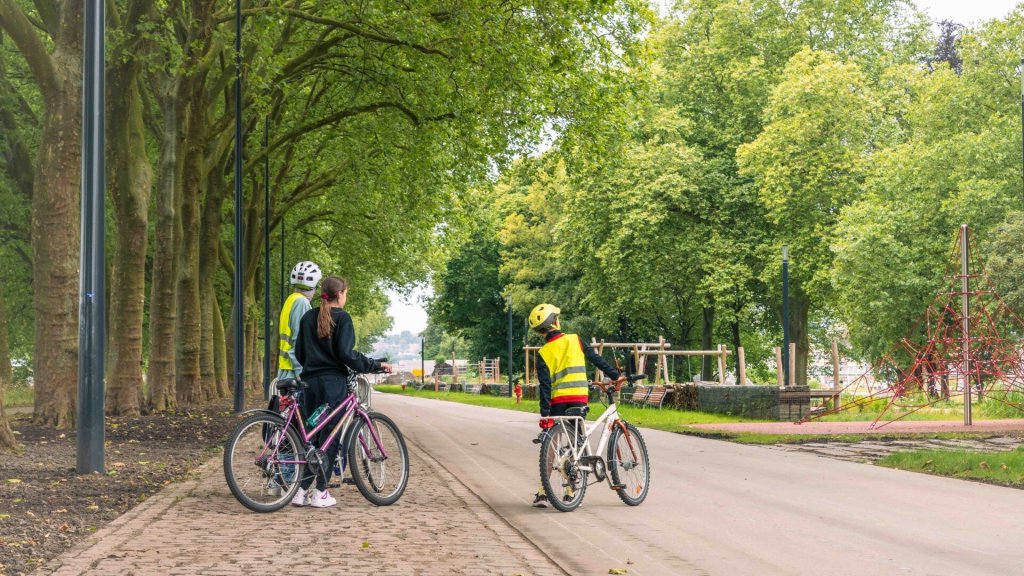
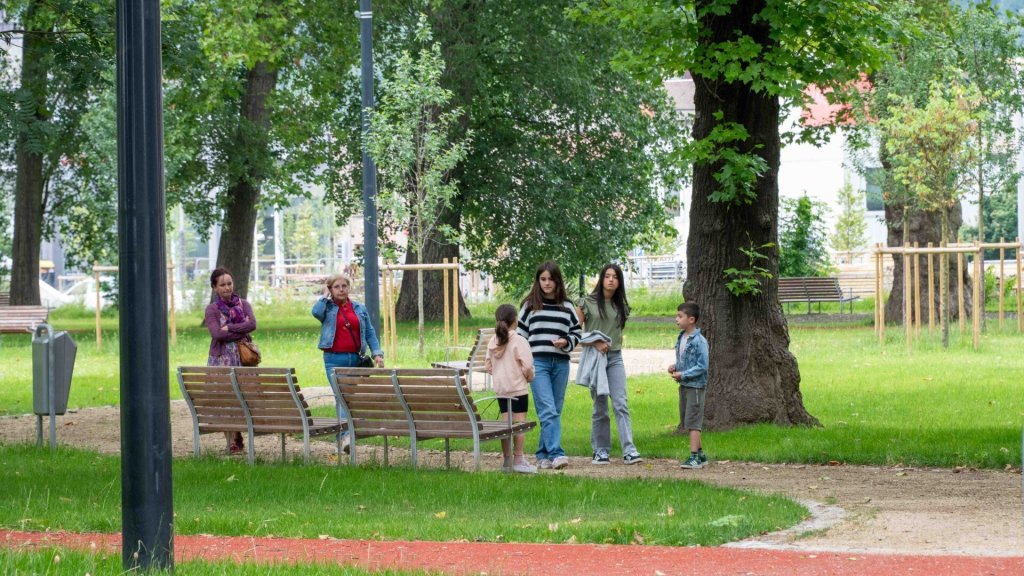
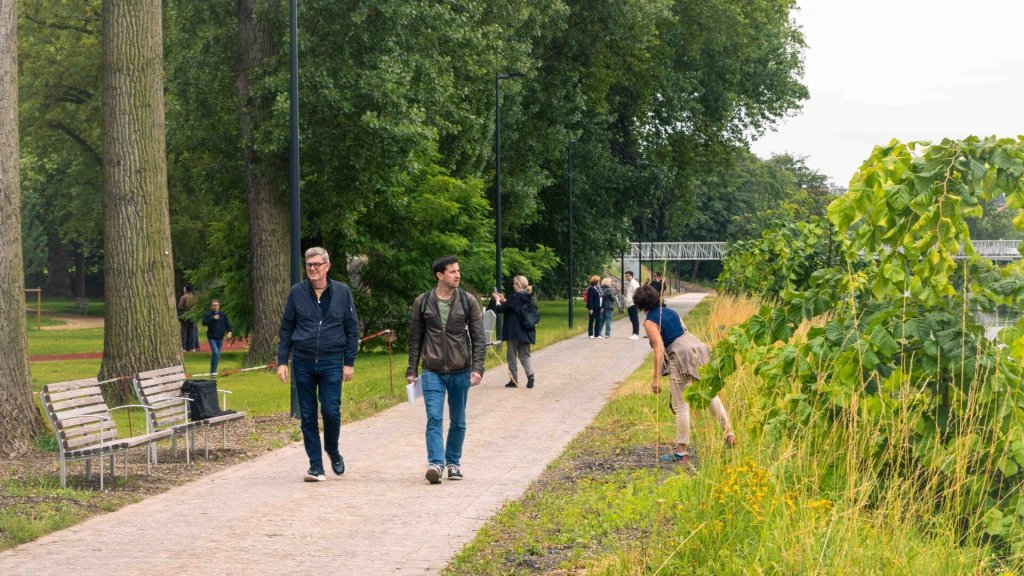
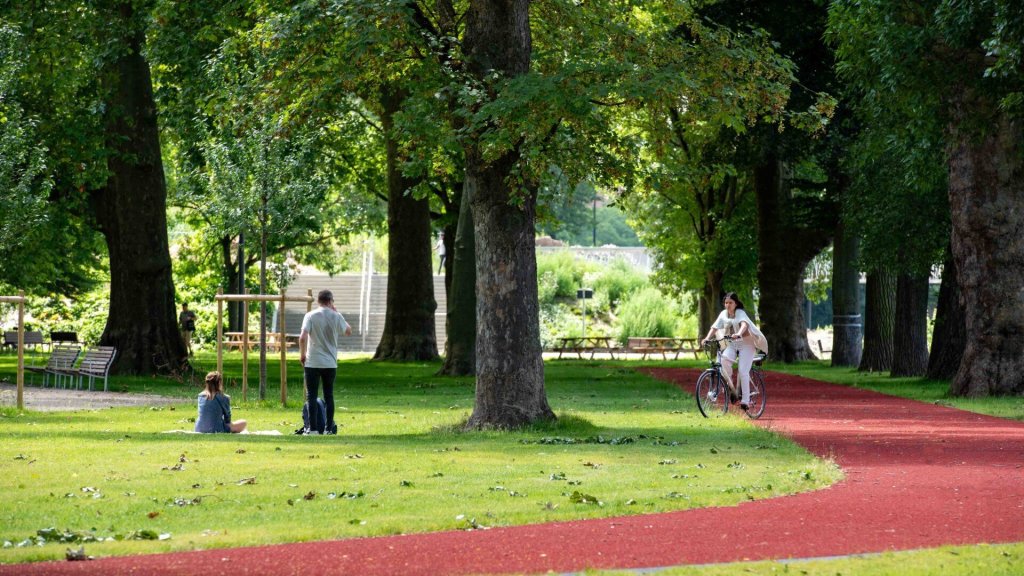
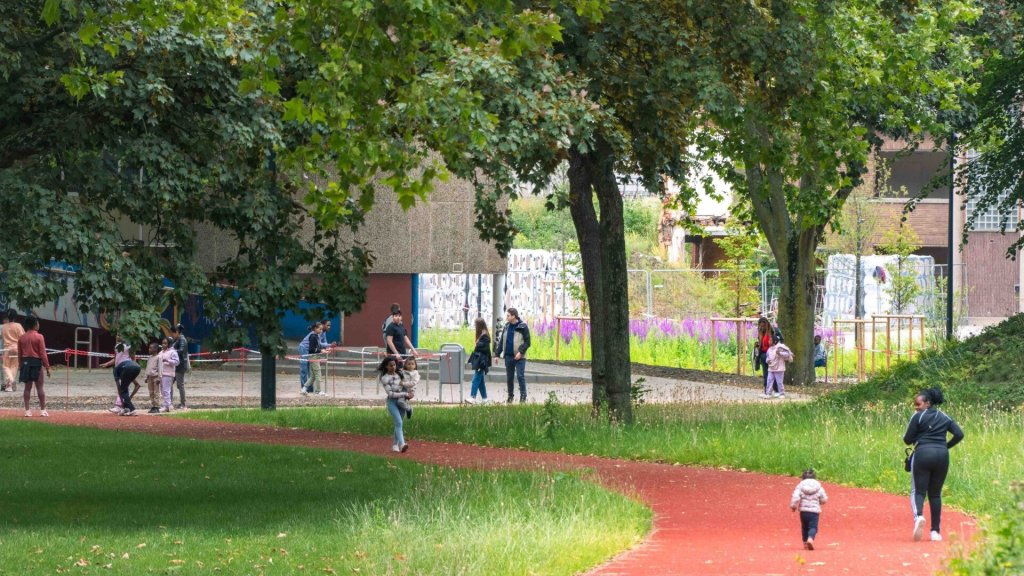
Eco-District Features: The Rives Ardentes project stands out for its integration of sustainable practices and diverse housing options. It includes a mix of residential units such as flats, single-family homes, grouped housing, “kangaroo” homes, and urban lofts, accommodating around 1,300 families in low-energy and passive dwellings.
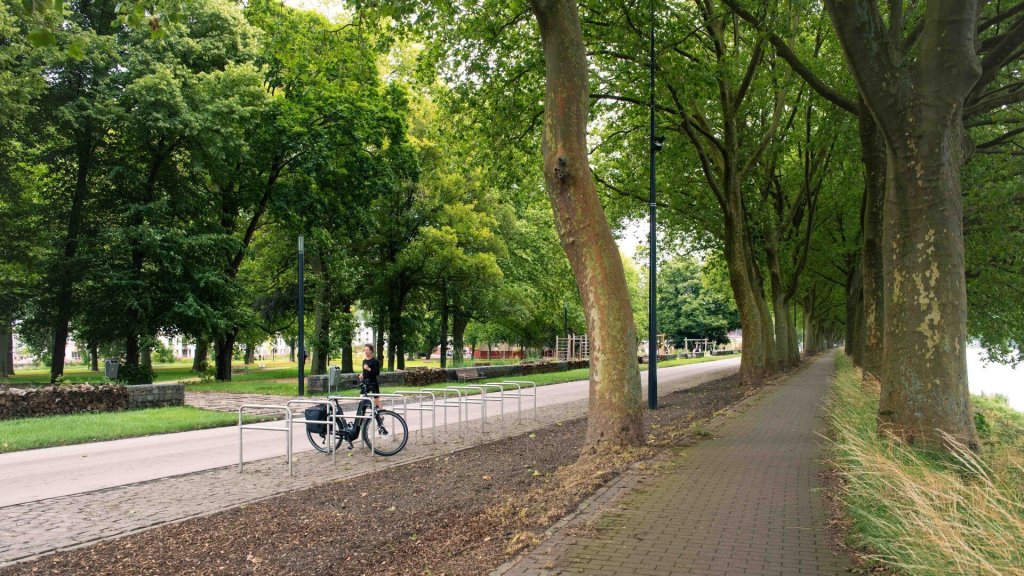
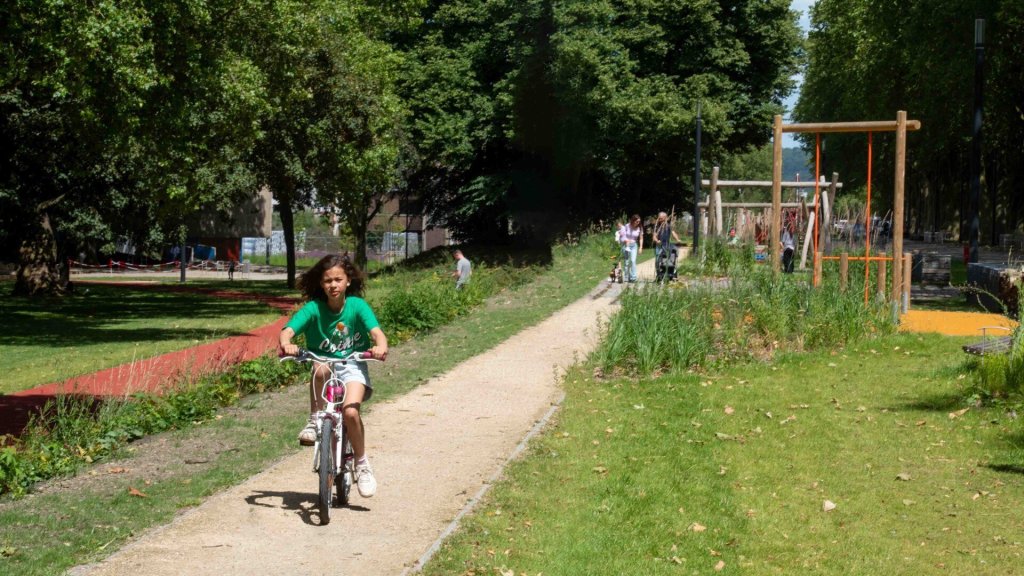
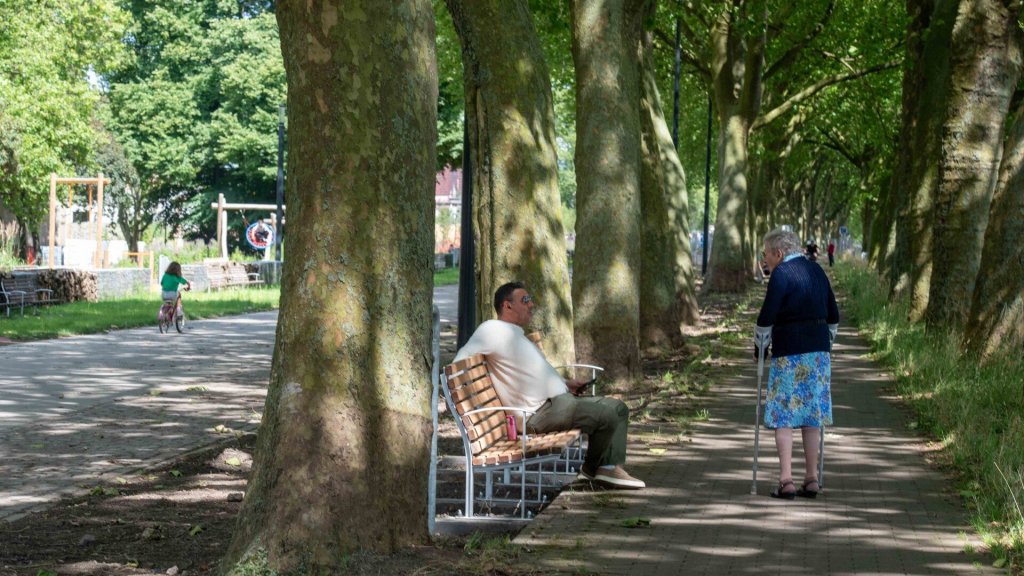
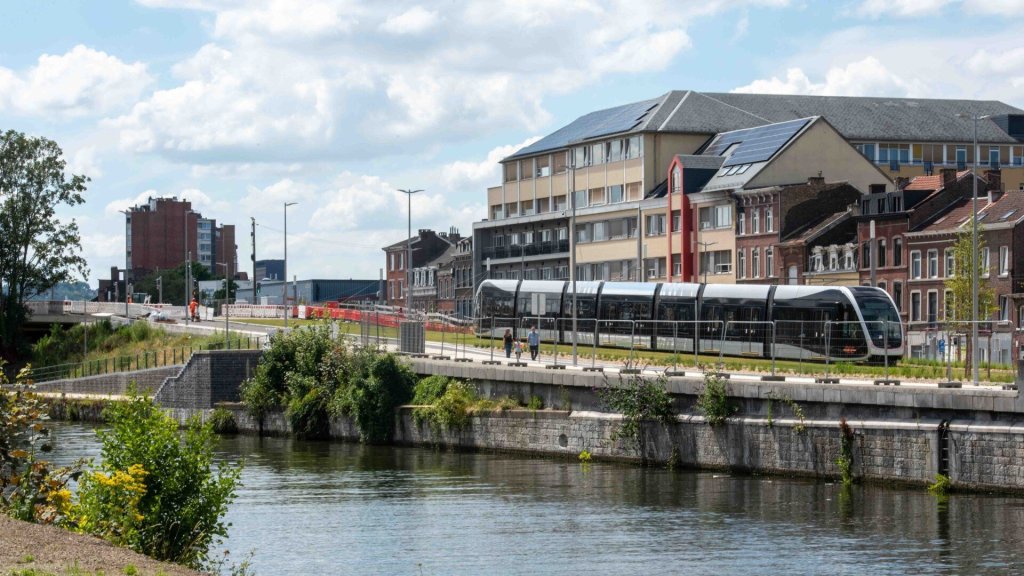
Retail spaces are designed to support local commerce, hospitality, and production, complemented by services such as hotels, retirement homes, childcare centres, a covered organic market, and urban gardens. The district is car-free, focusing on pedestrian and cyclist mobility, with underground parking facilities and a tram terminus enhancing connectivity.
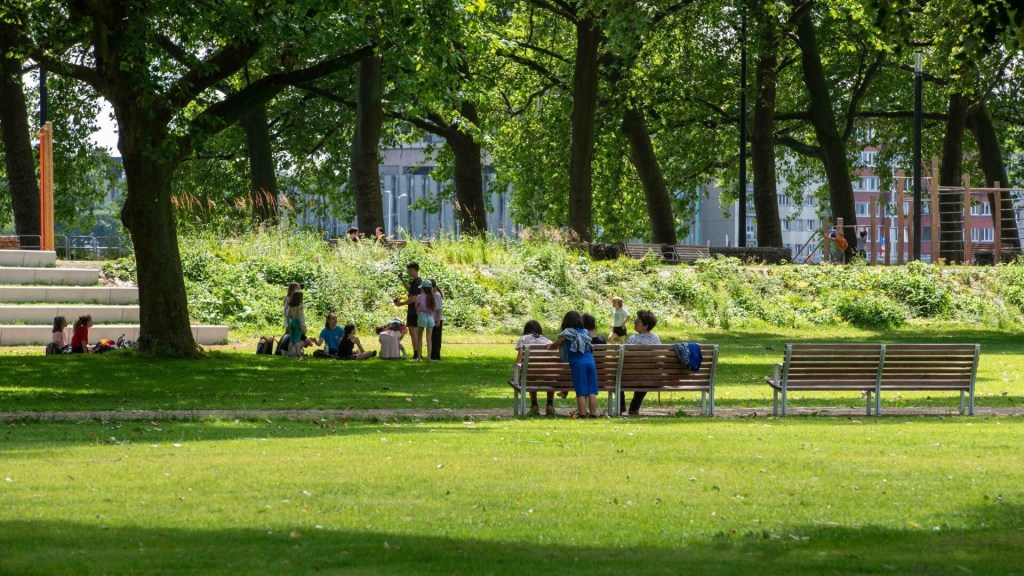
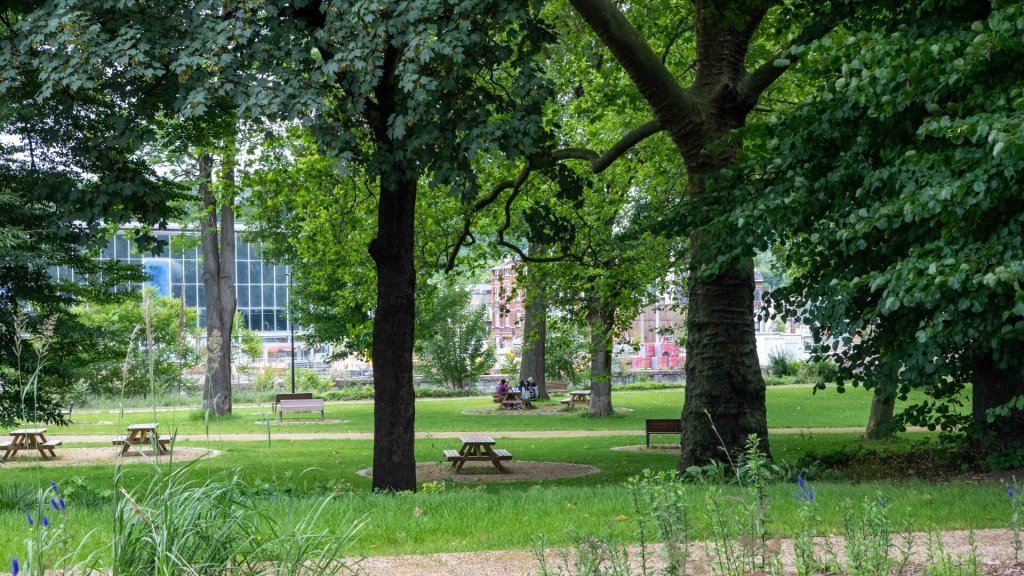
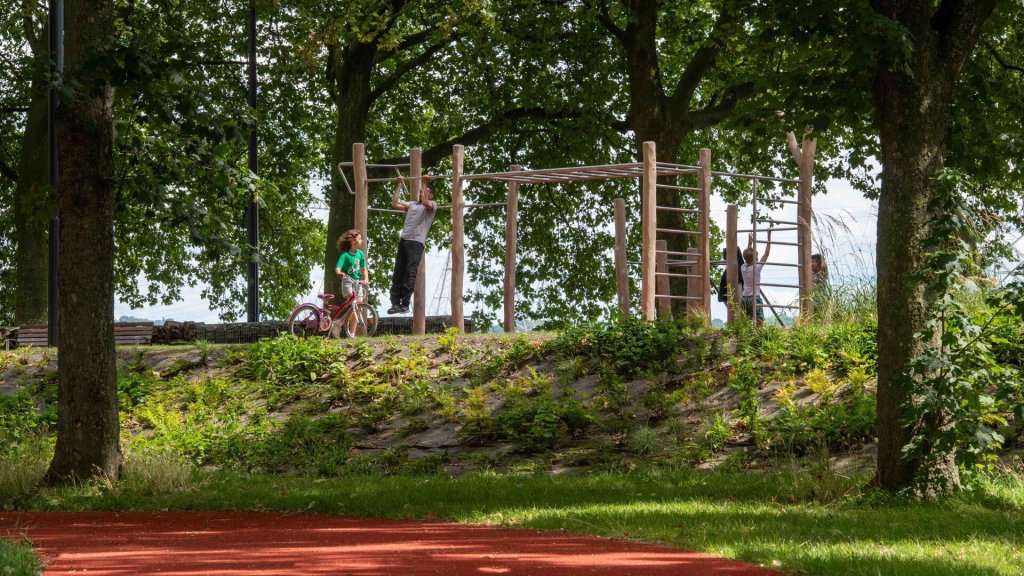
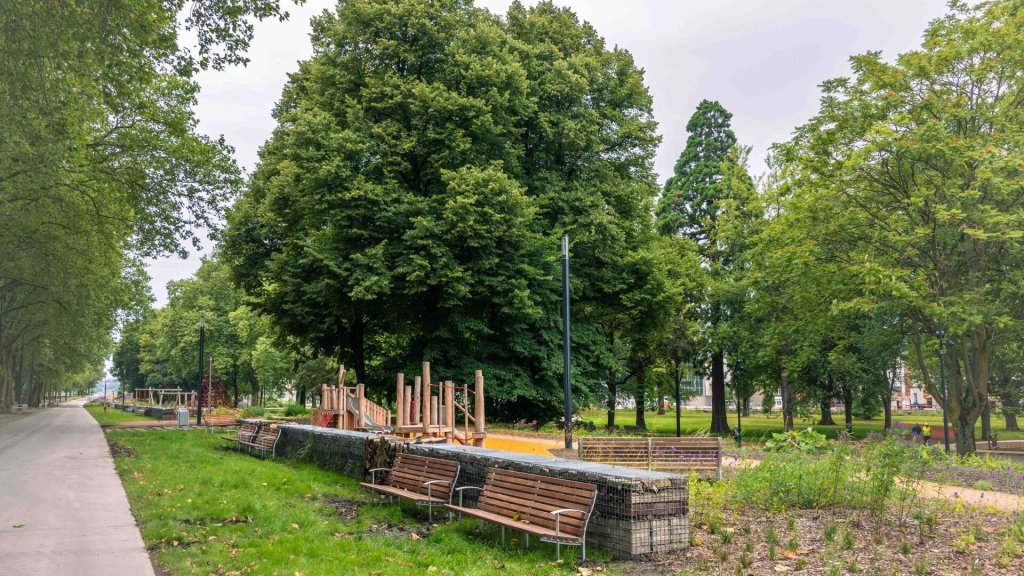
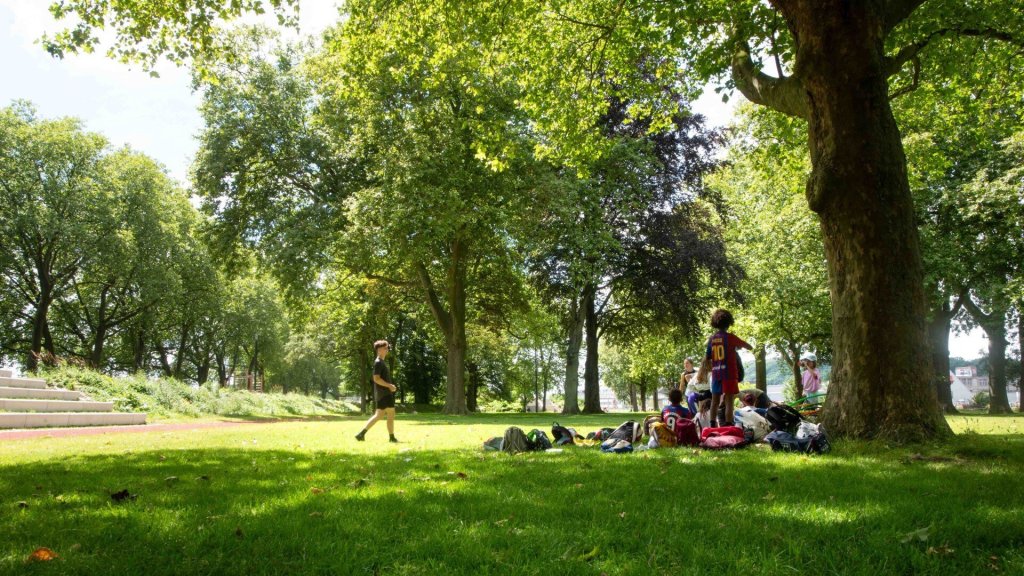
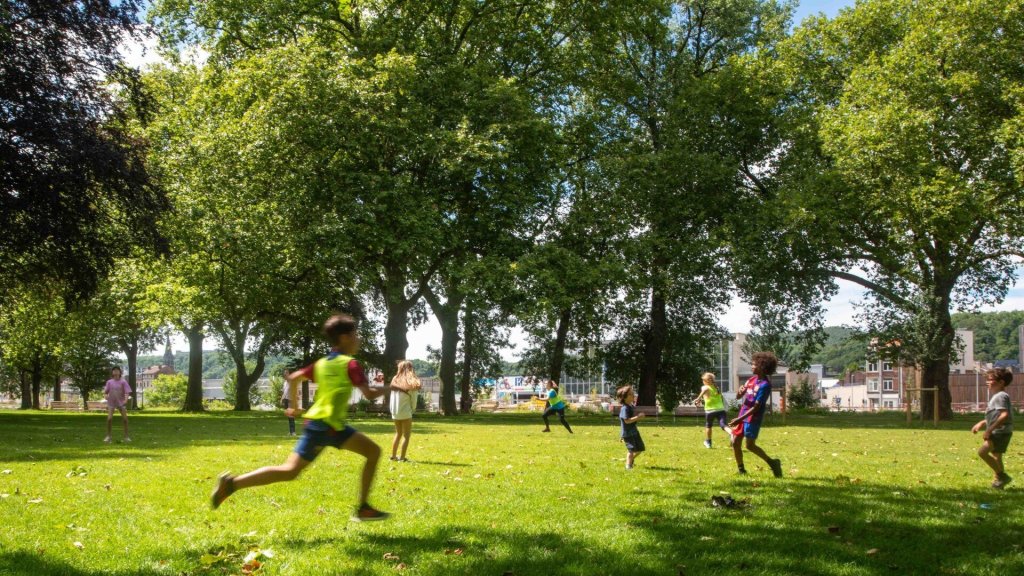
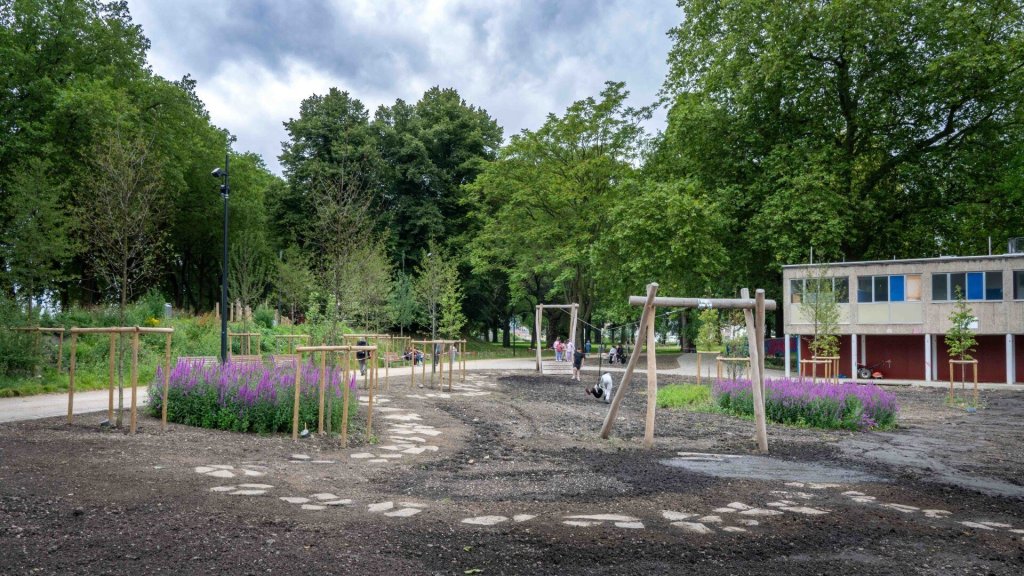
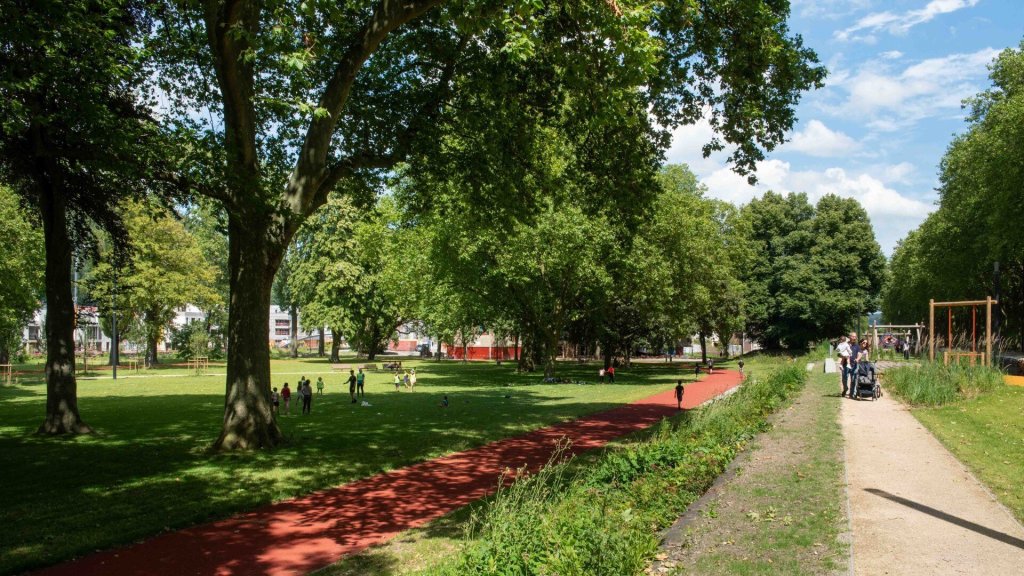
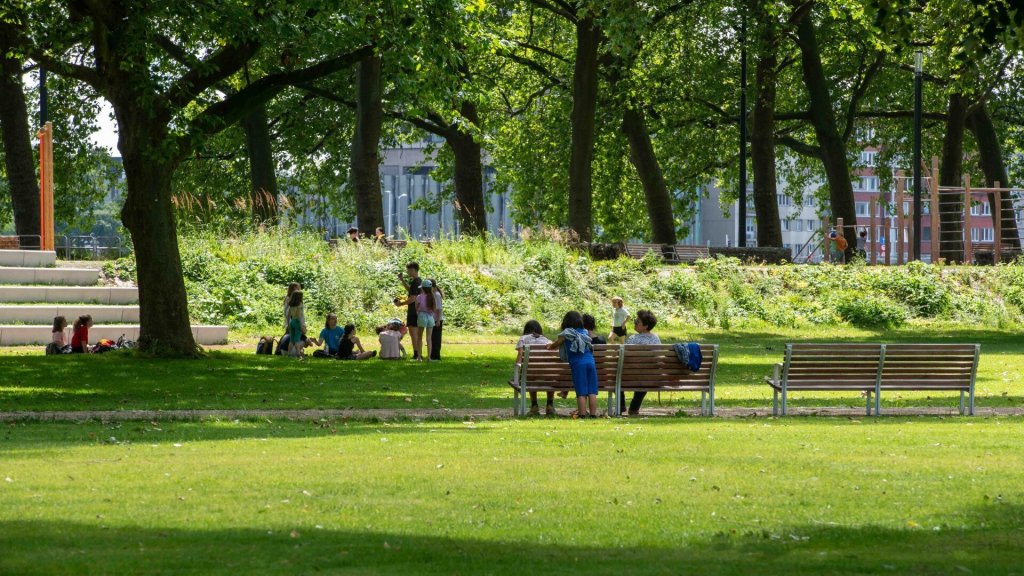
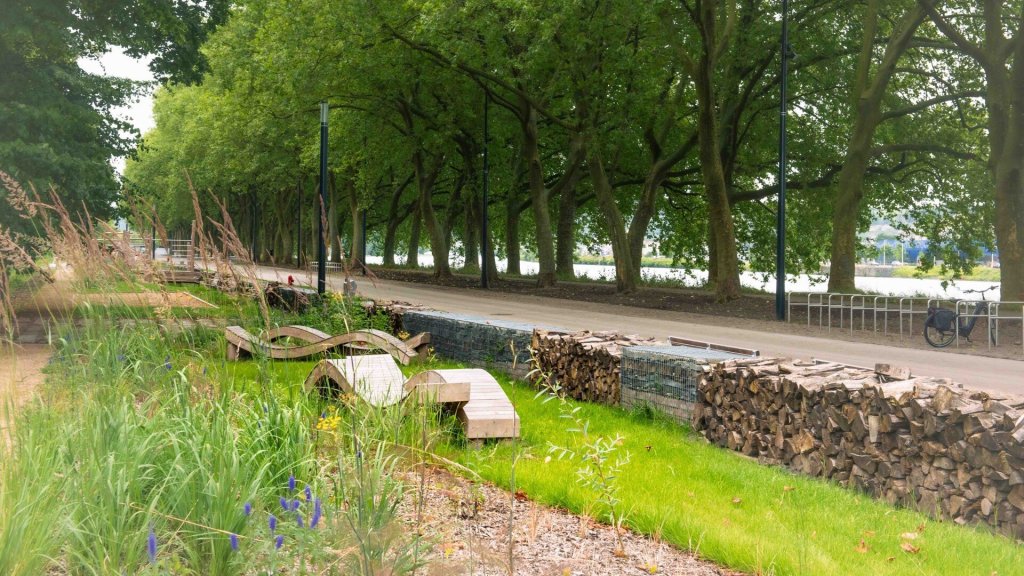
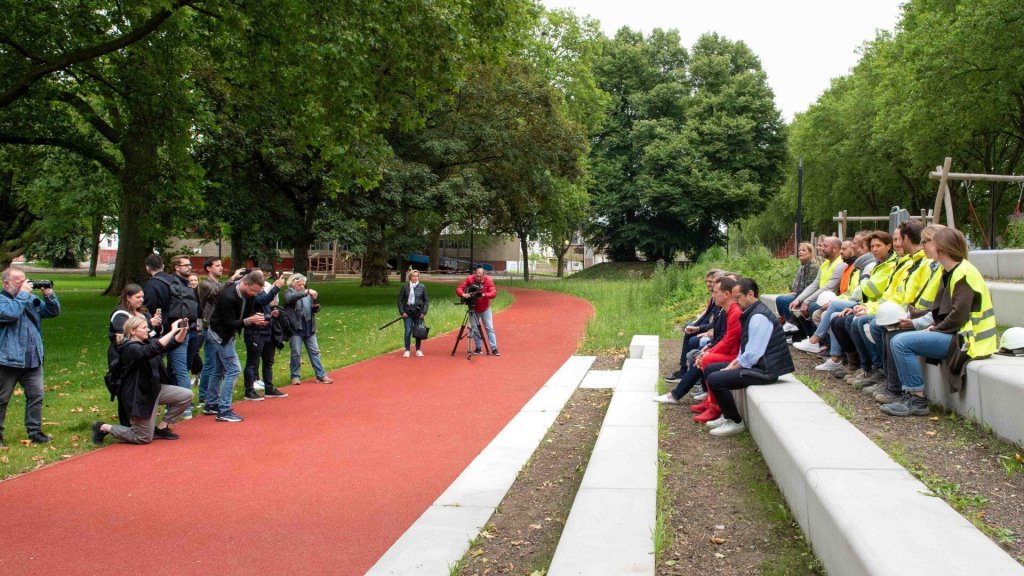
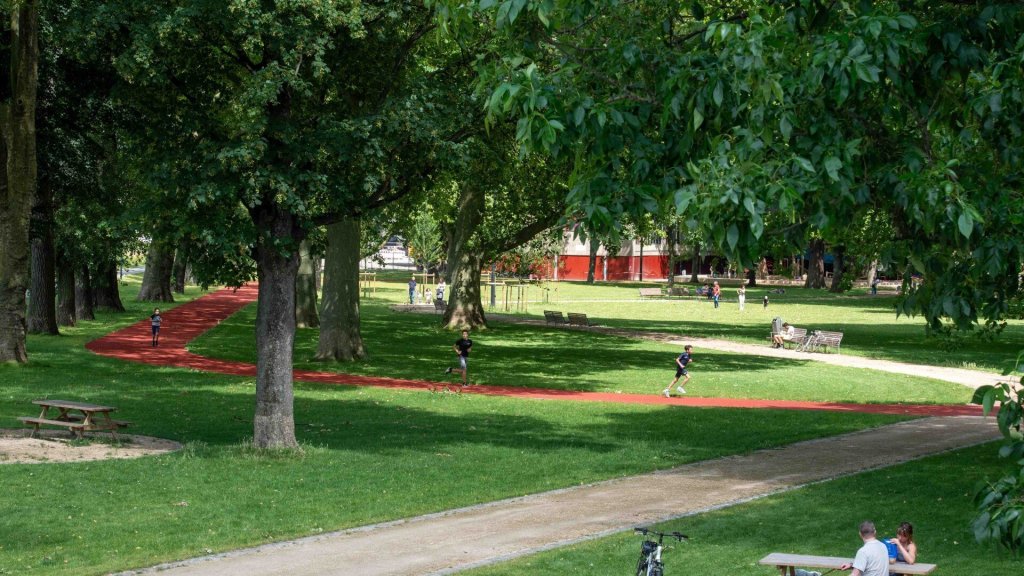
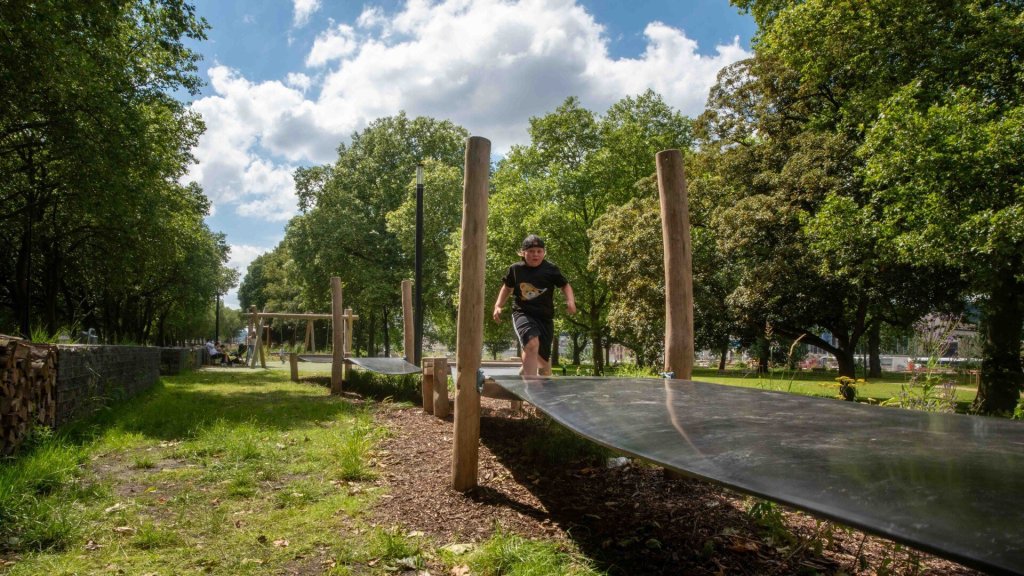
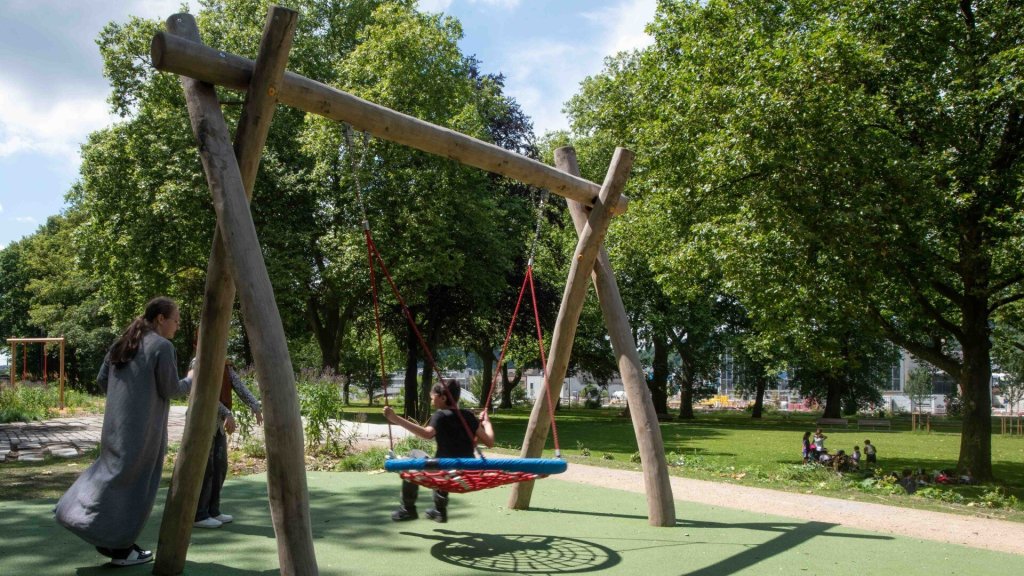
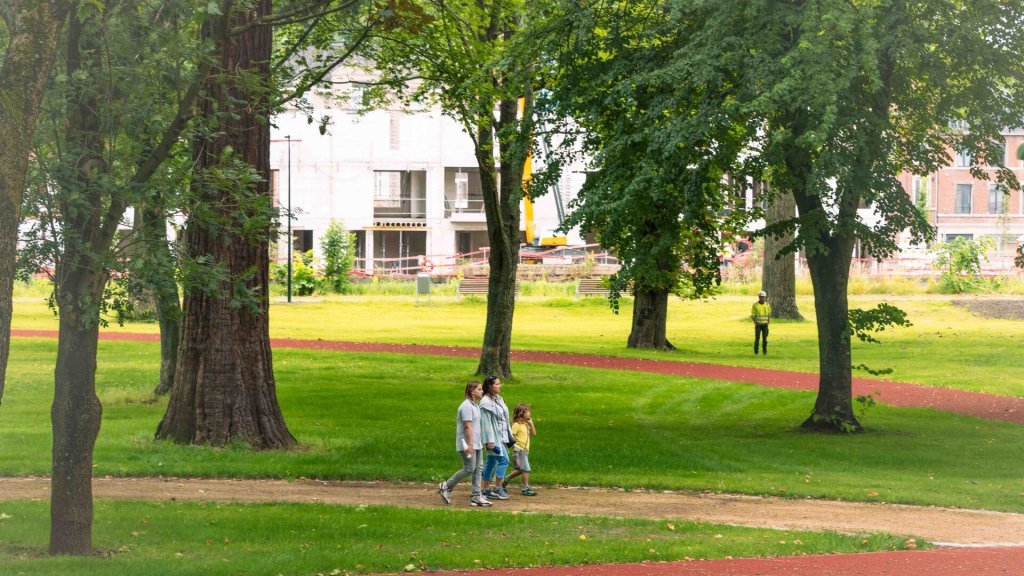
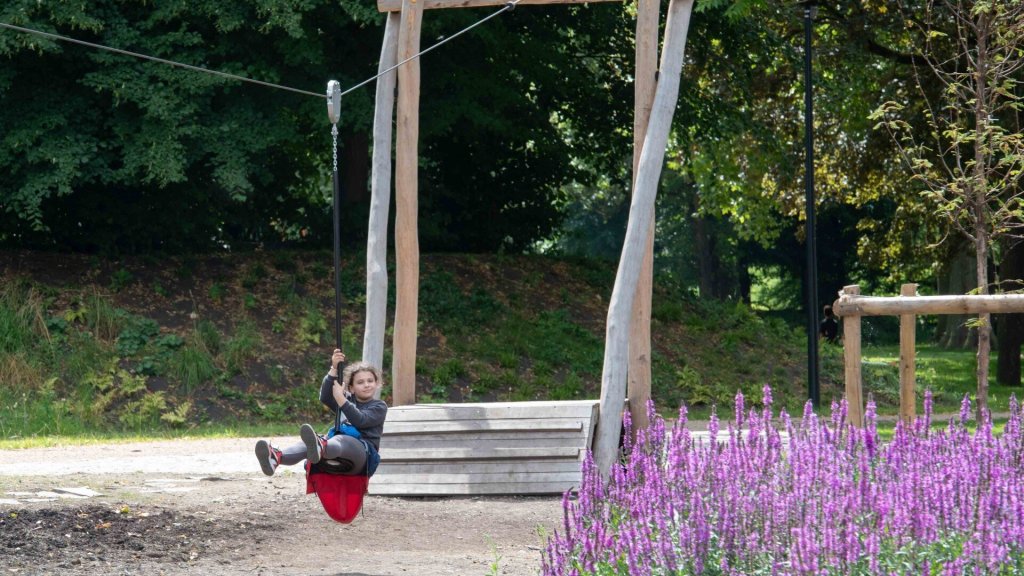
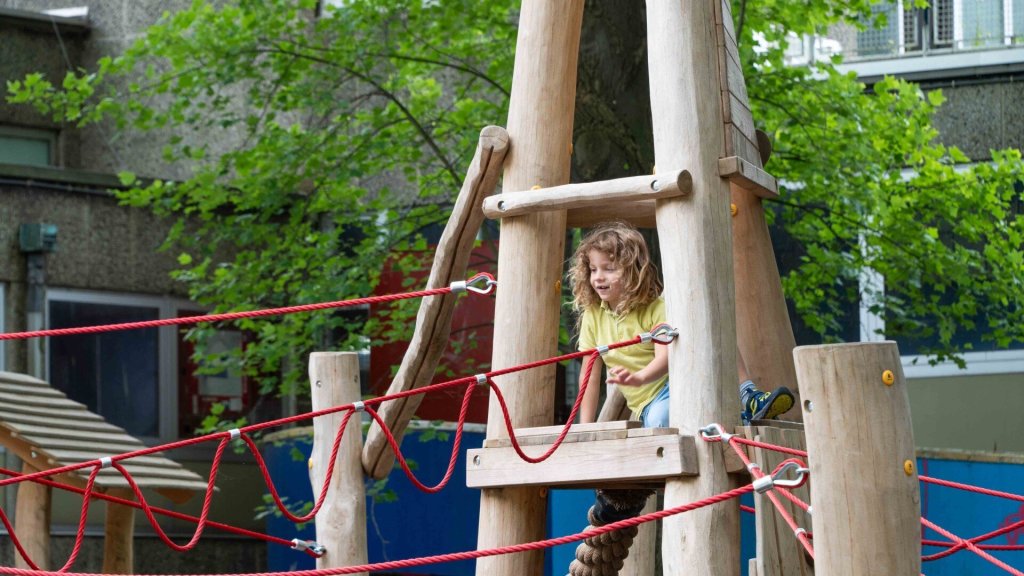
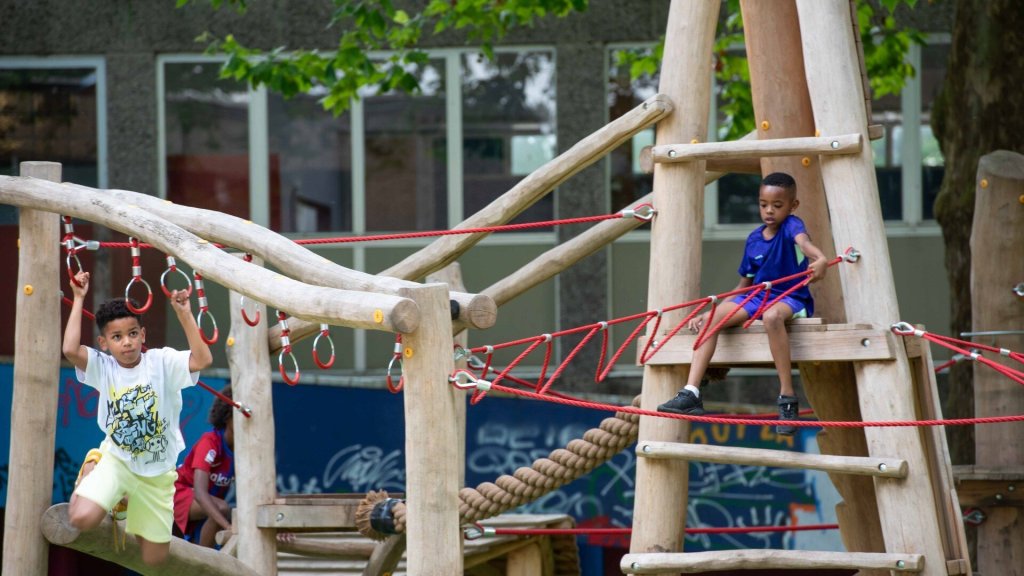
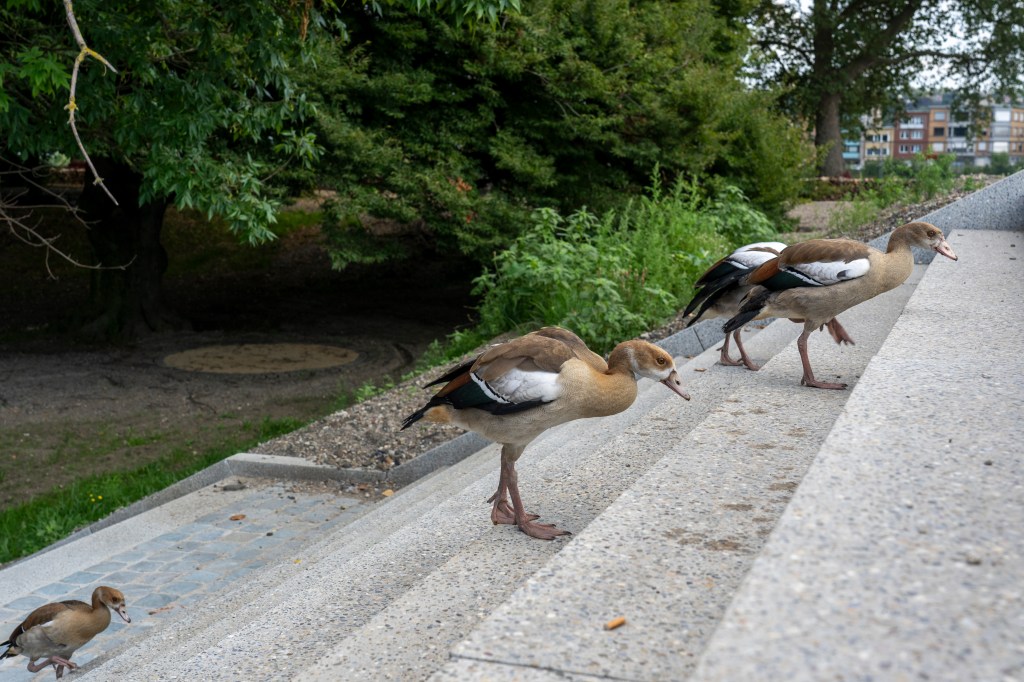
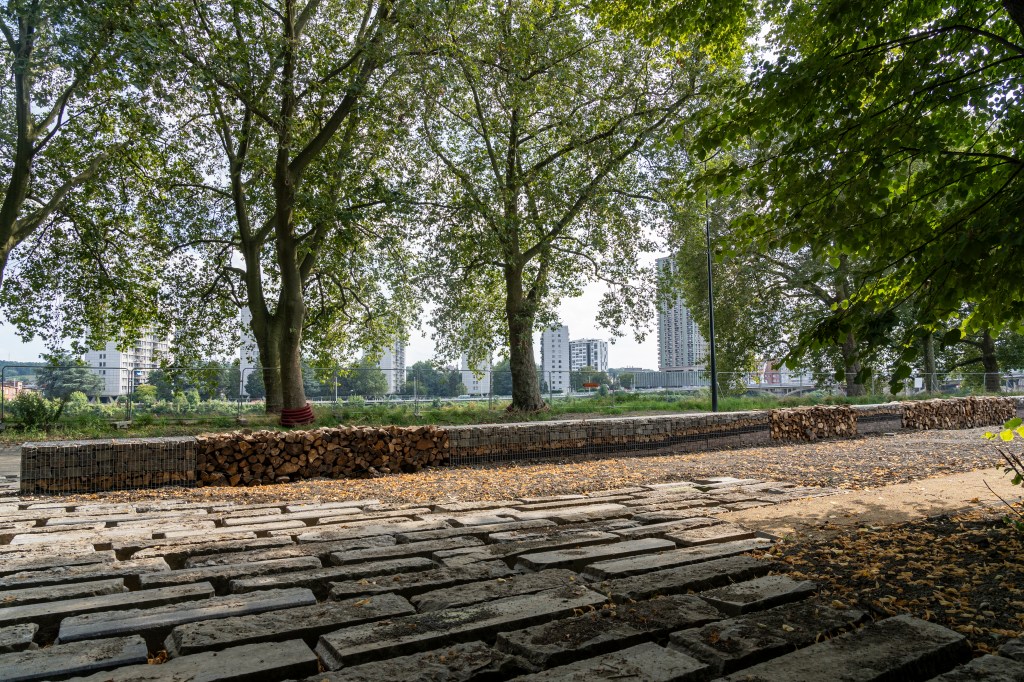
Public Spaces and Green Areas: A significant feature is the renovation and expansion of the 4-hectare Astrid Park, which will include sports facilities, wellness areas, playgrounds, tranquil zones, and water features. The park’s redesign integrates with the wider landscape, connecting the eco-district to the Meuse River through renovated quays, marinas, and pedestrian bridges.
The project also involves the transformation of existing structures, such as the Grand Palais, into a vibrant community hub featuring an organic market, restaurants, and urban farming on the rooftop, with the surrounding area being converted into educational and recreational spaces.
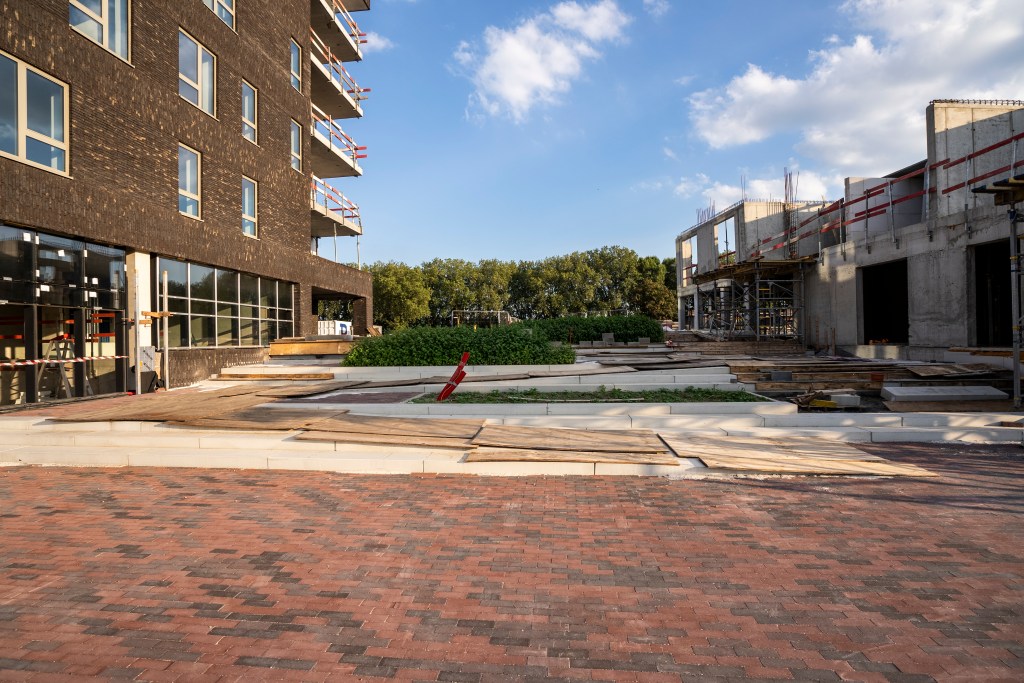
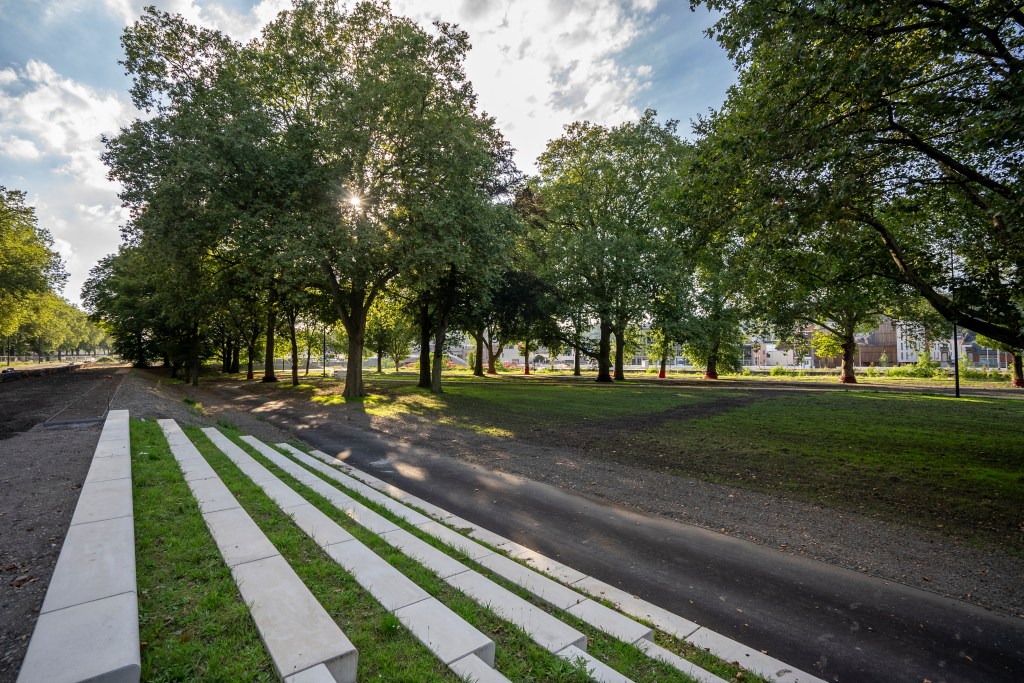
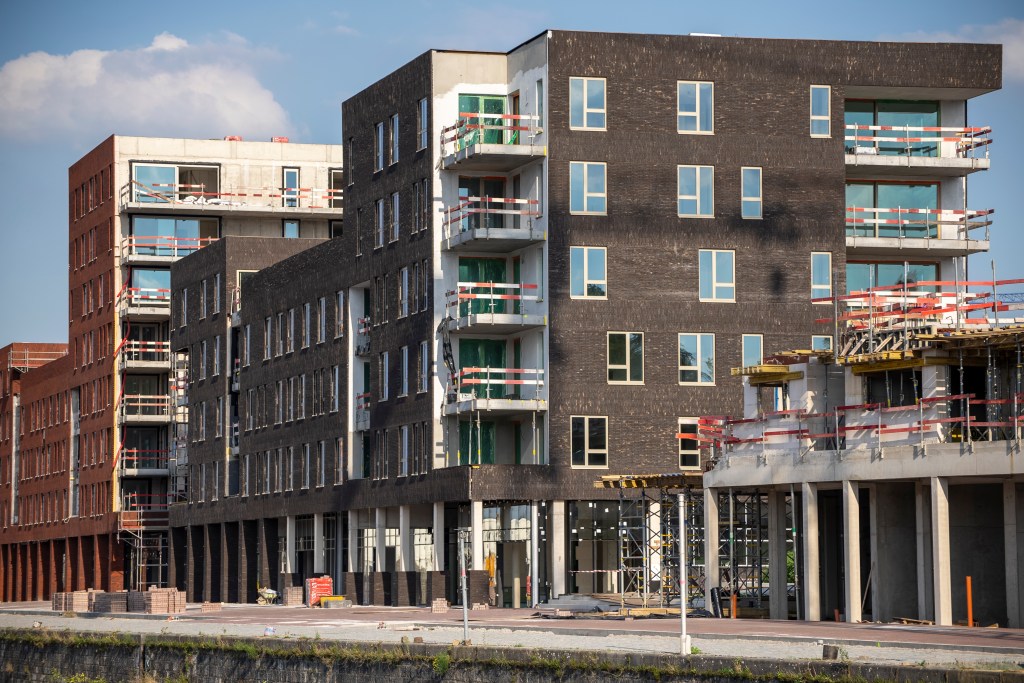
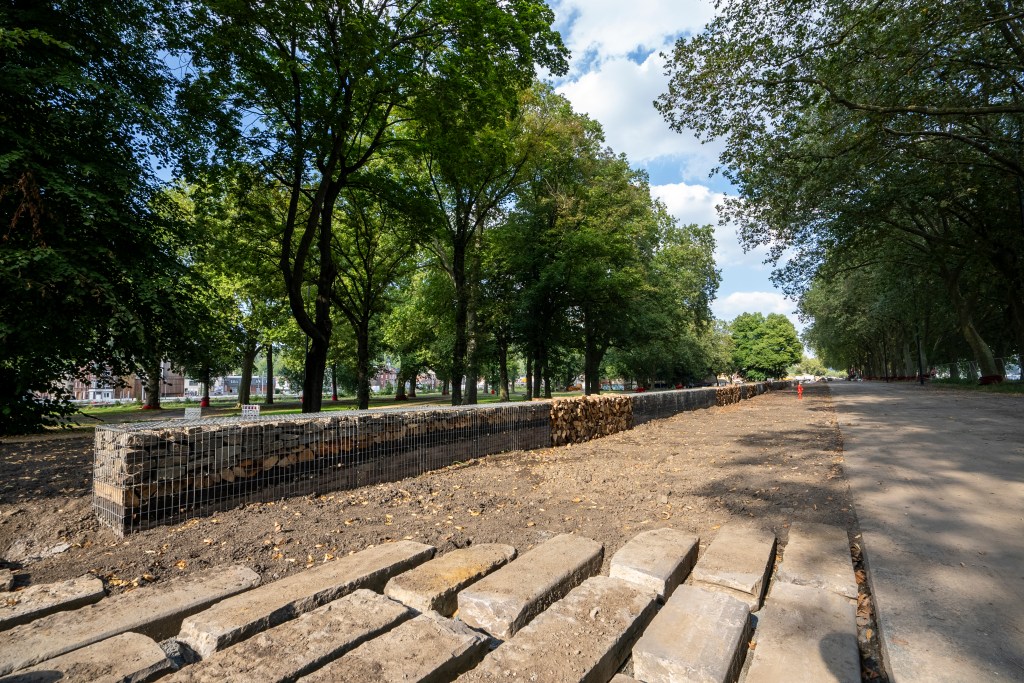
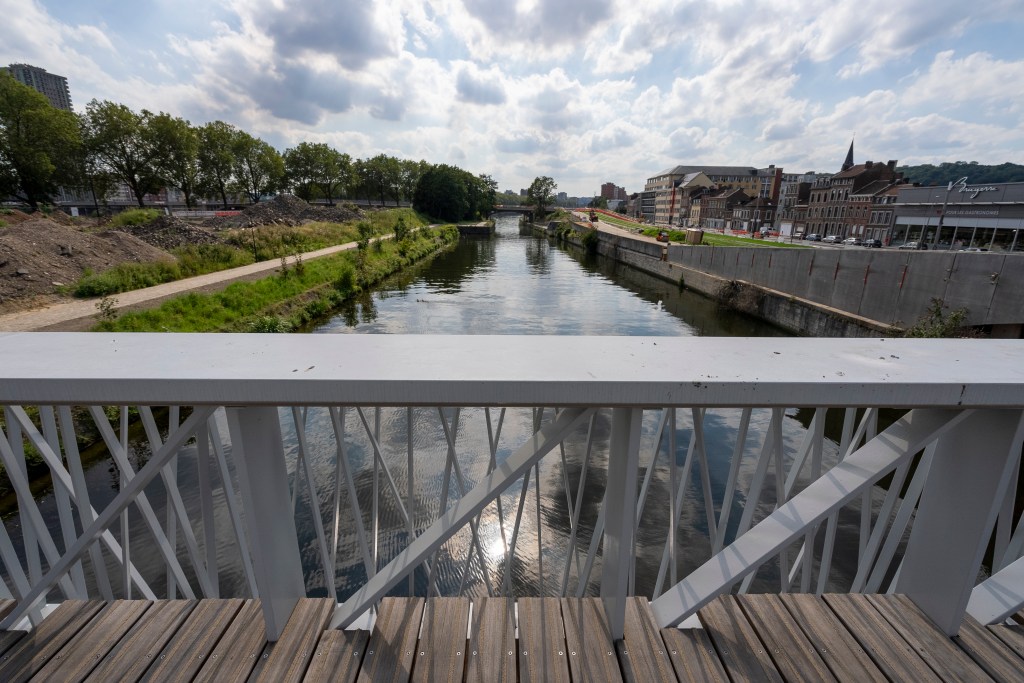
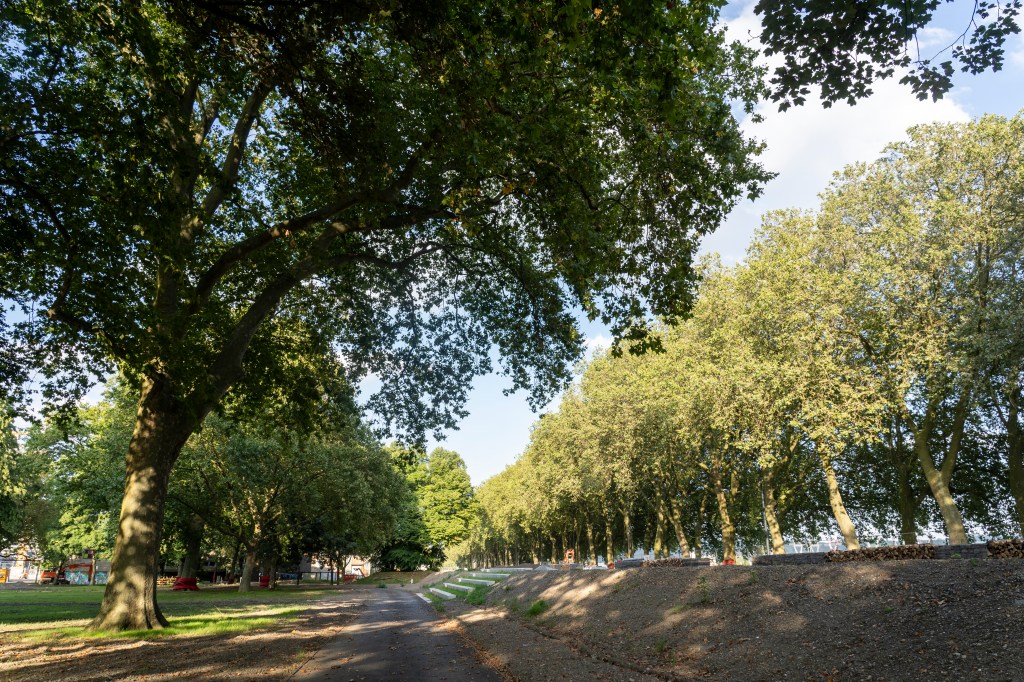
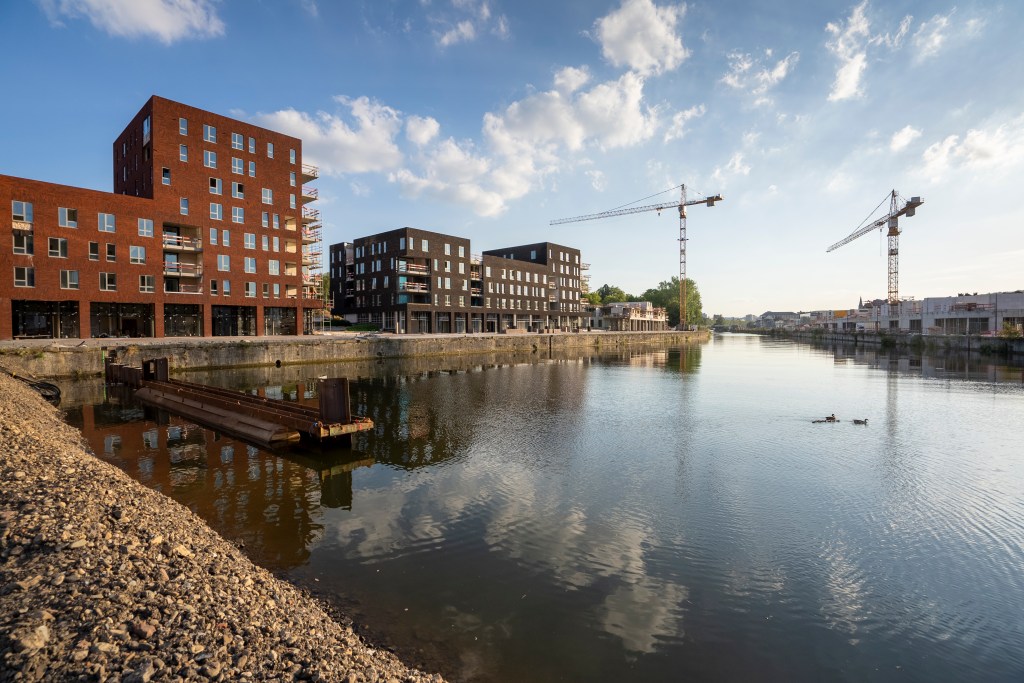
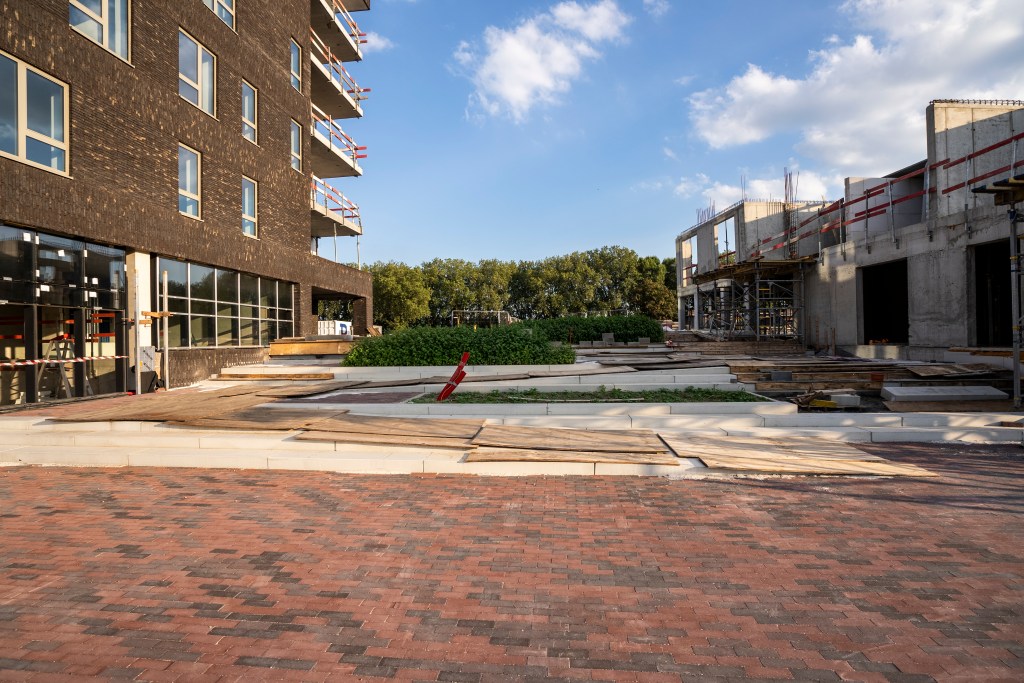
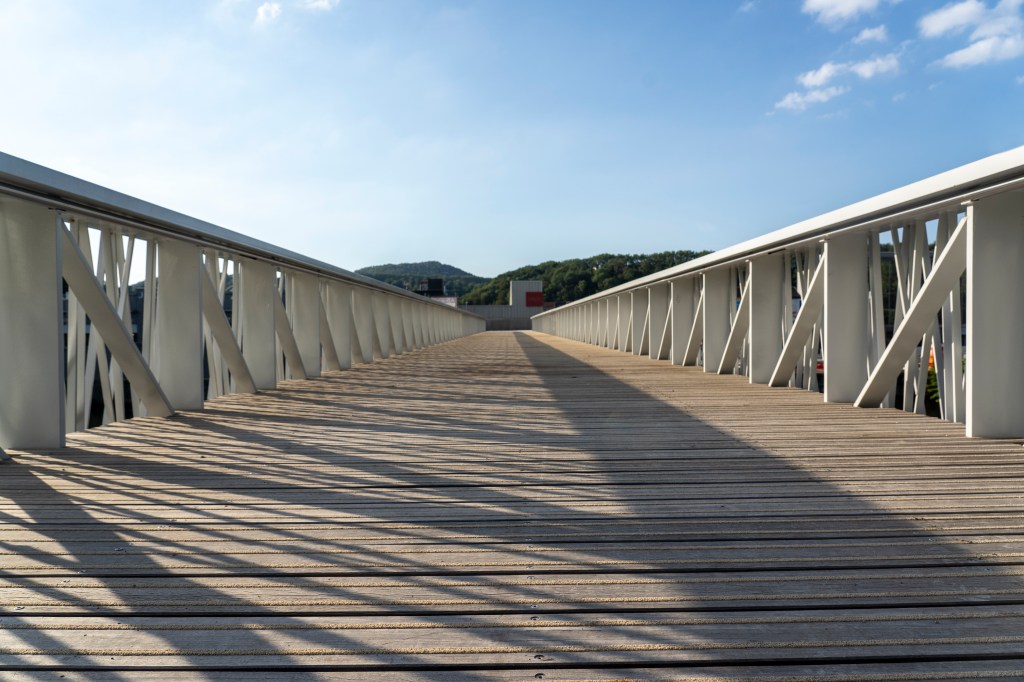
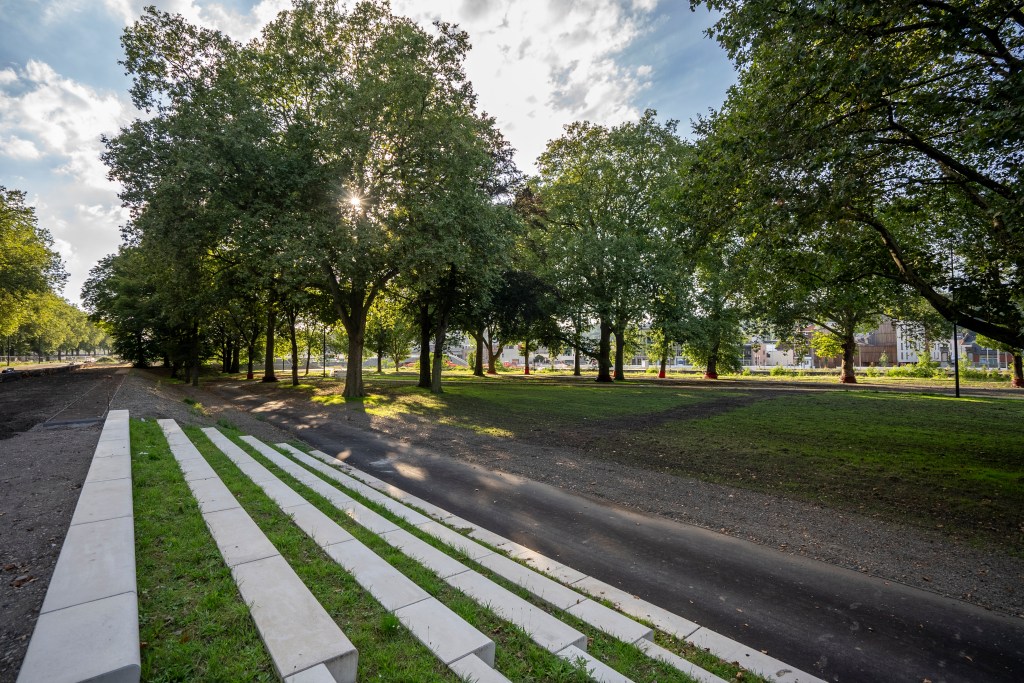
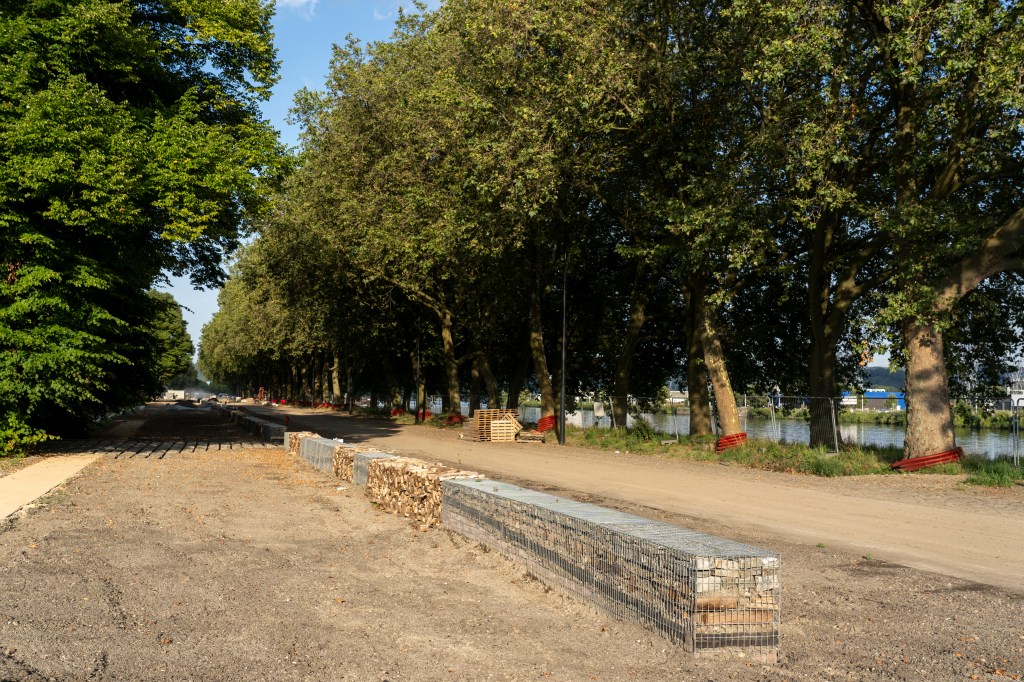
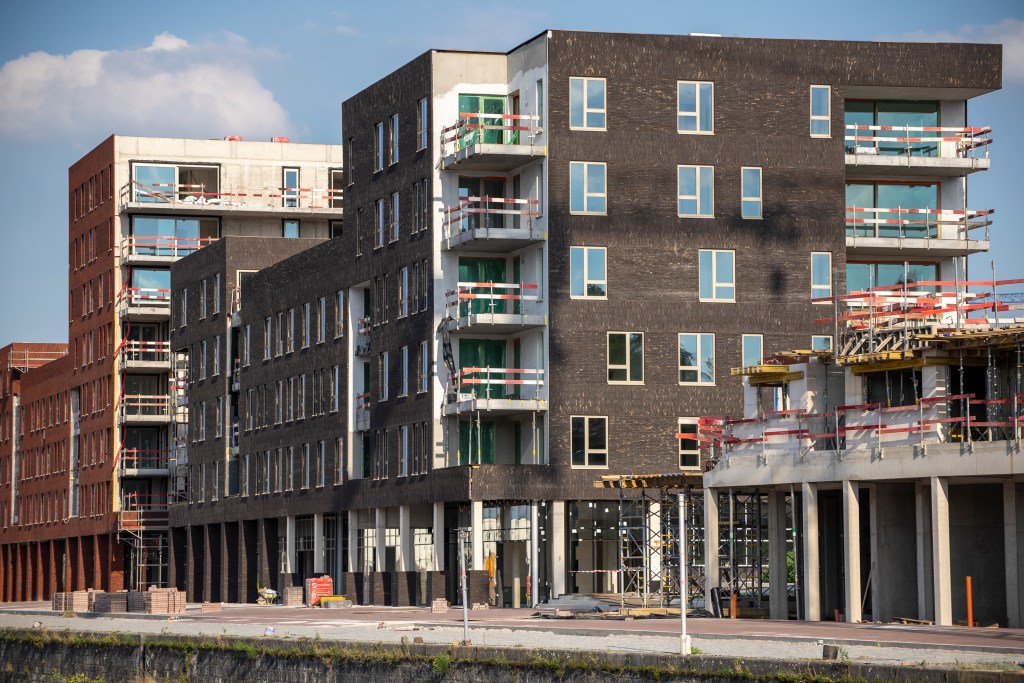
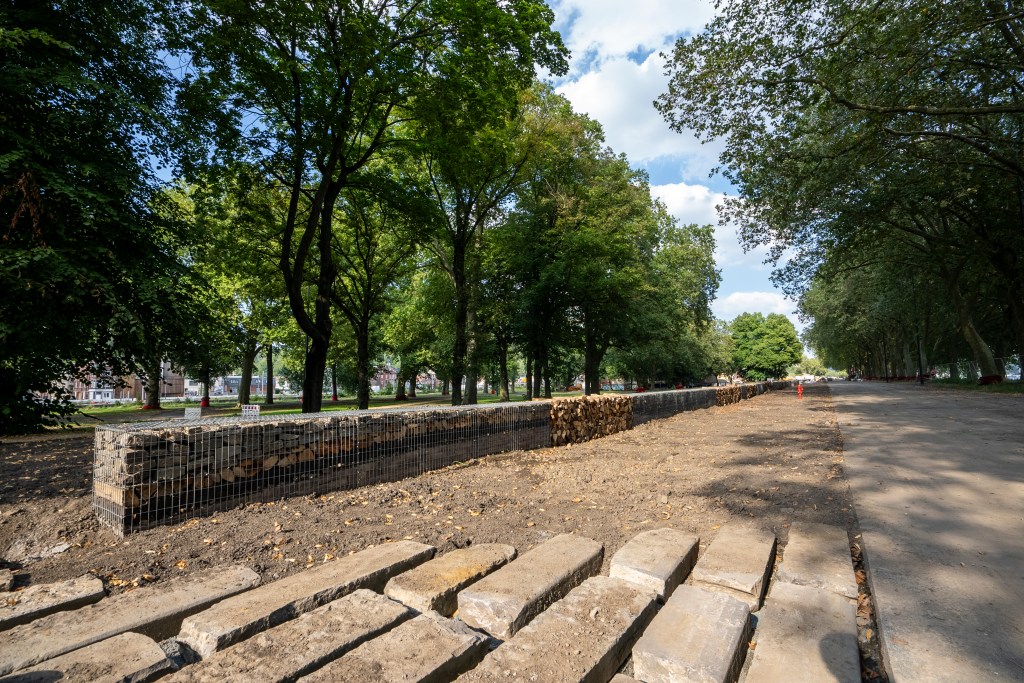
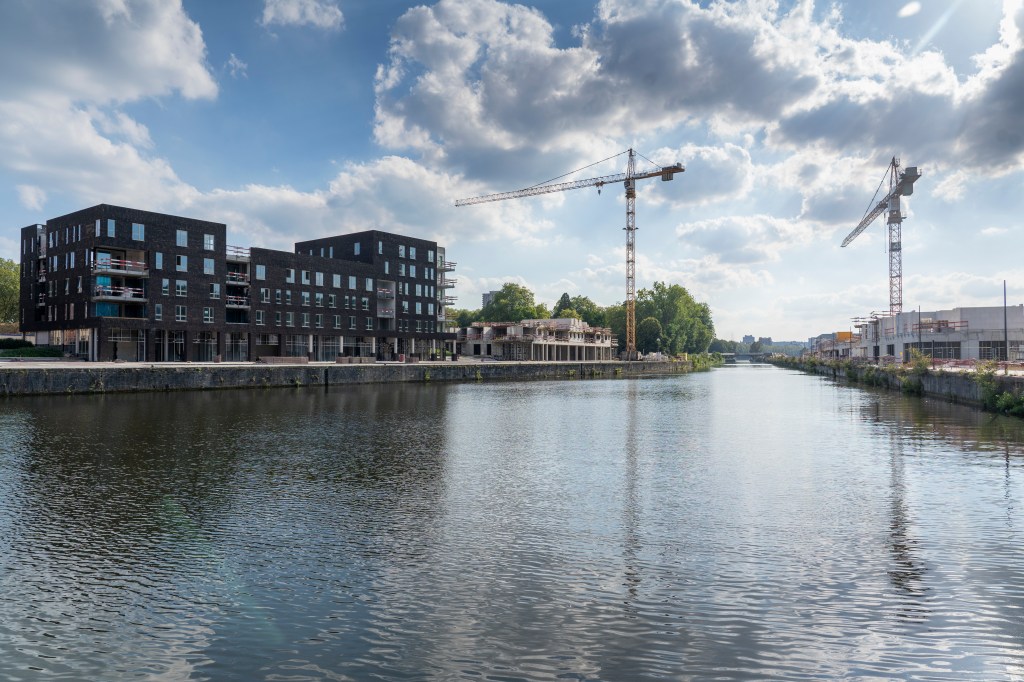
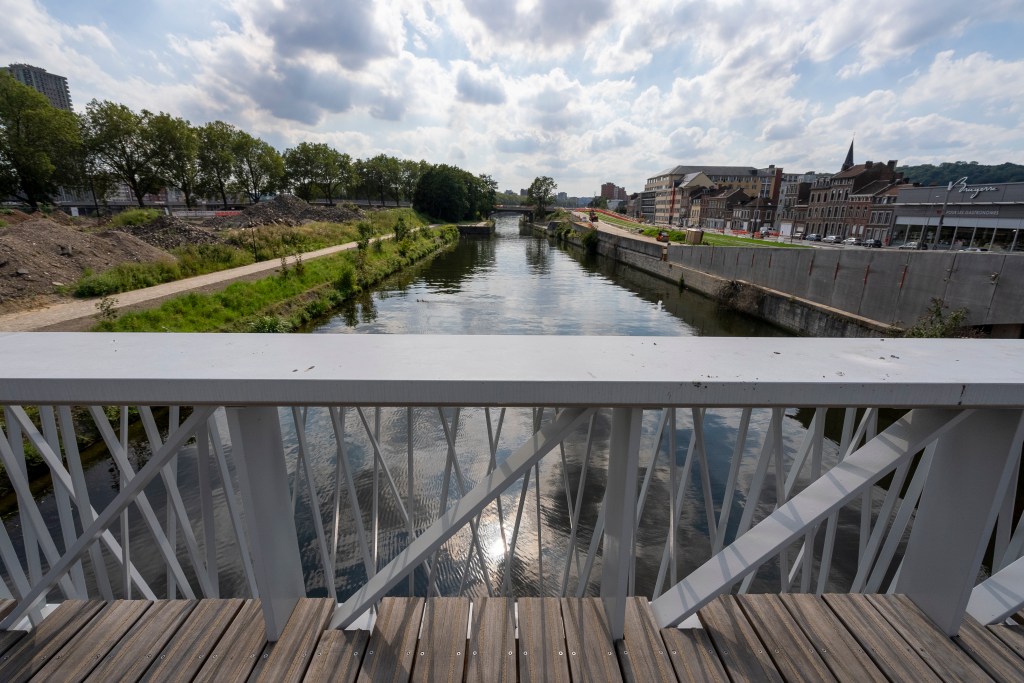
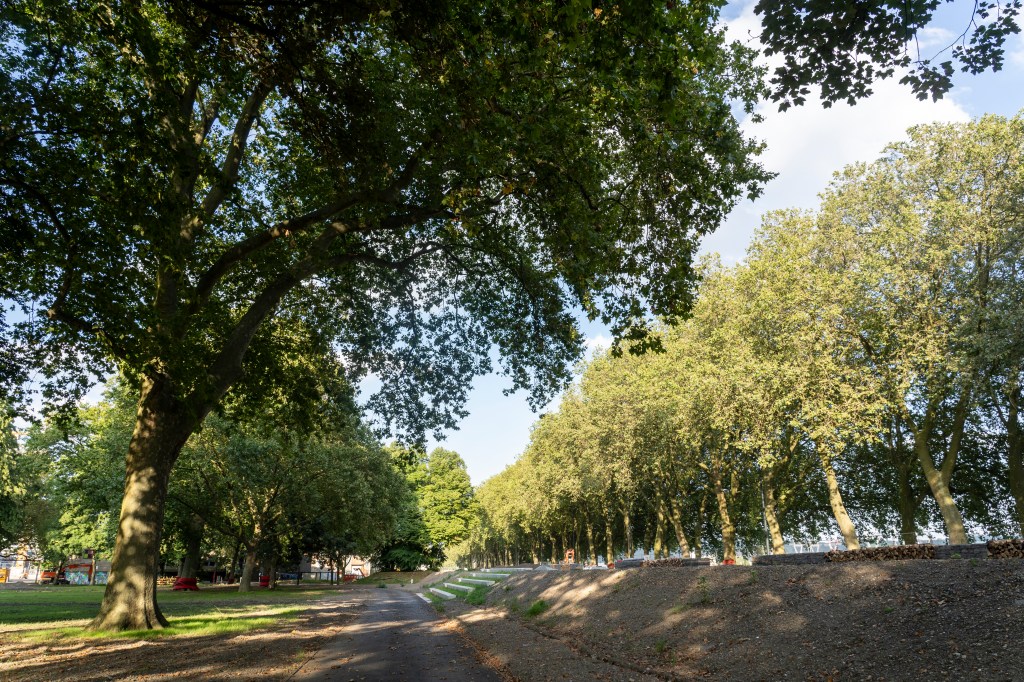
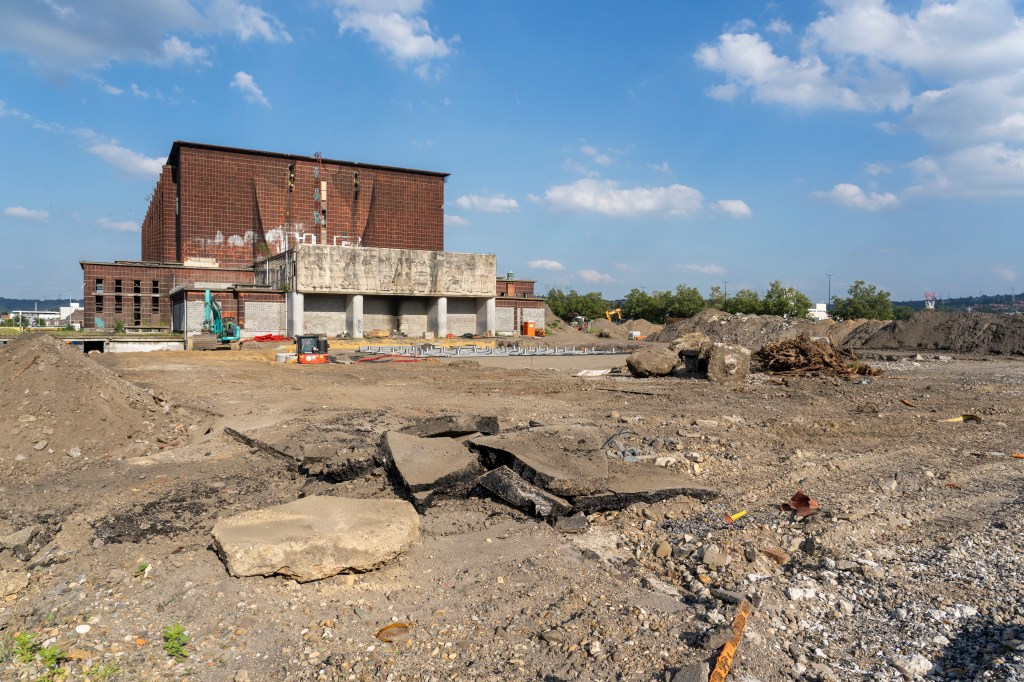
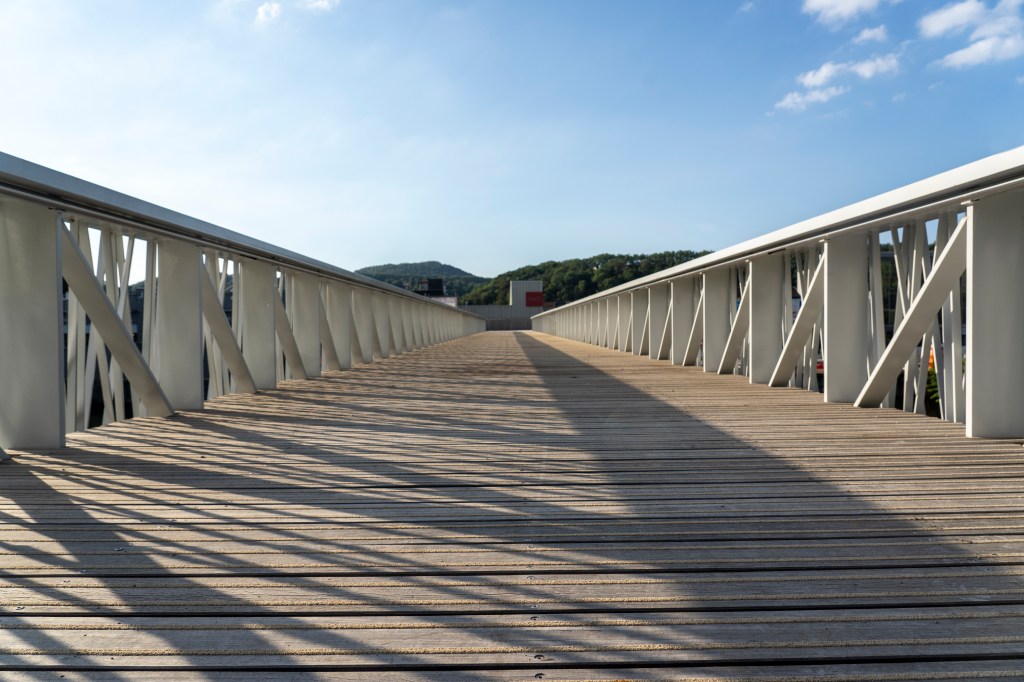
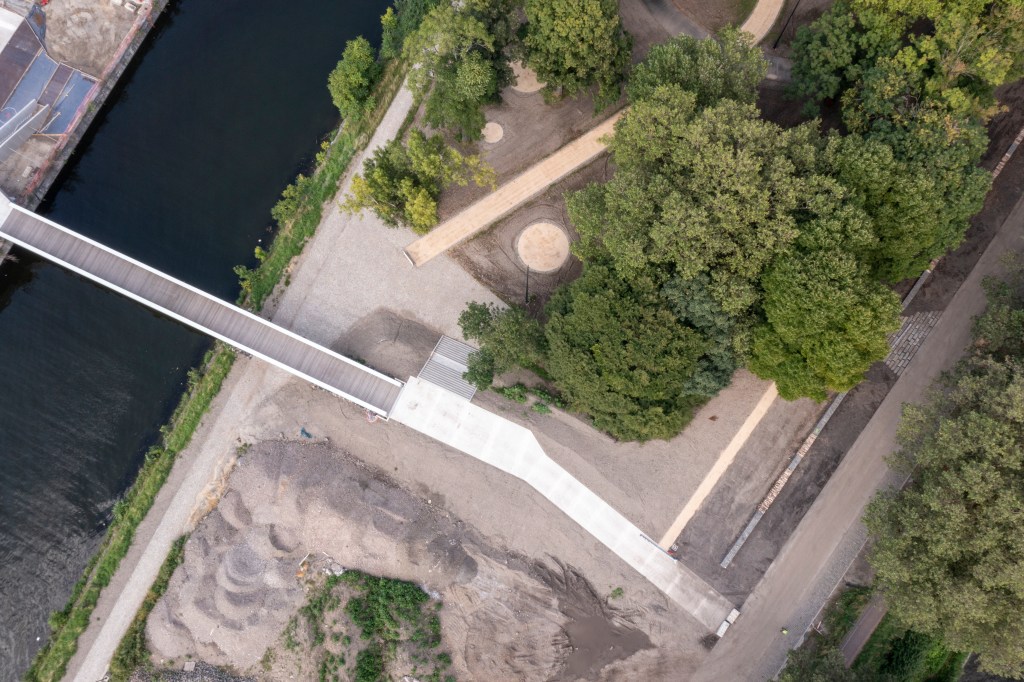
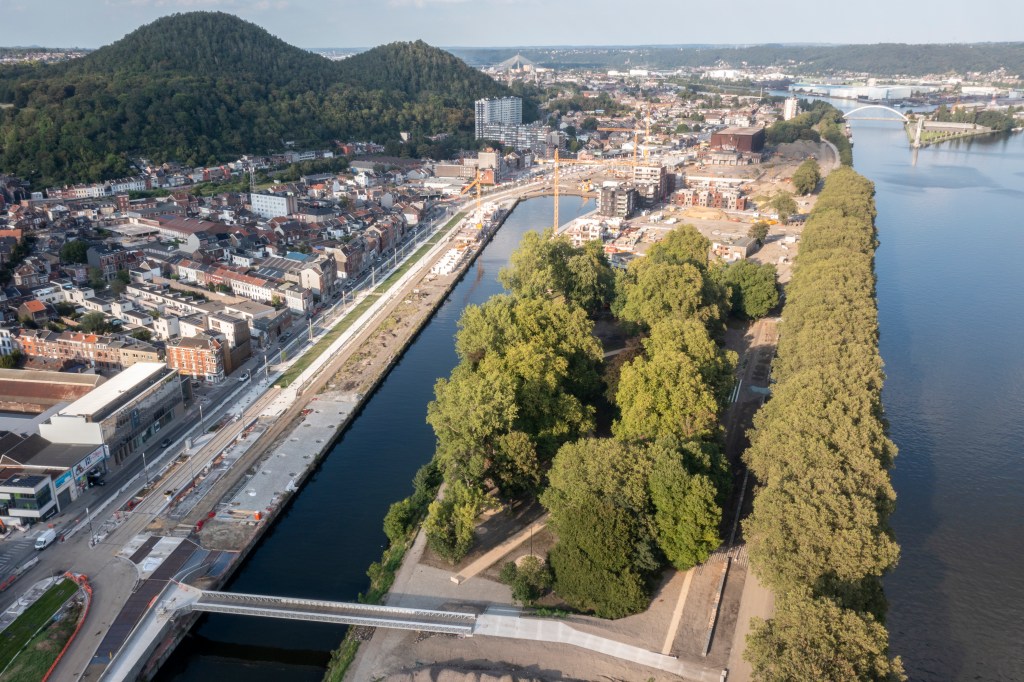
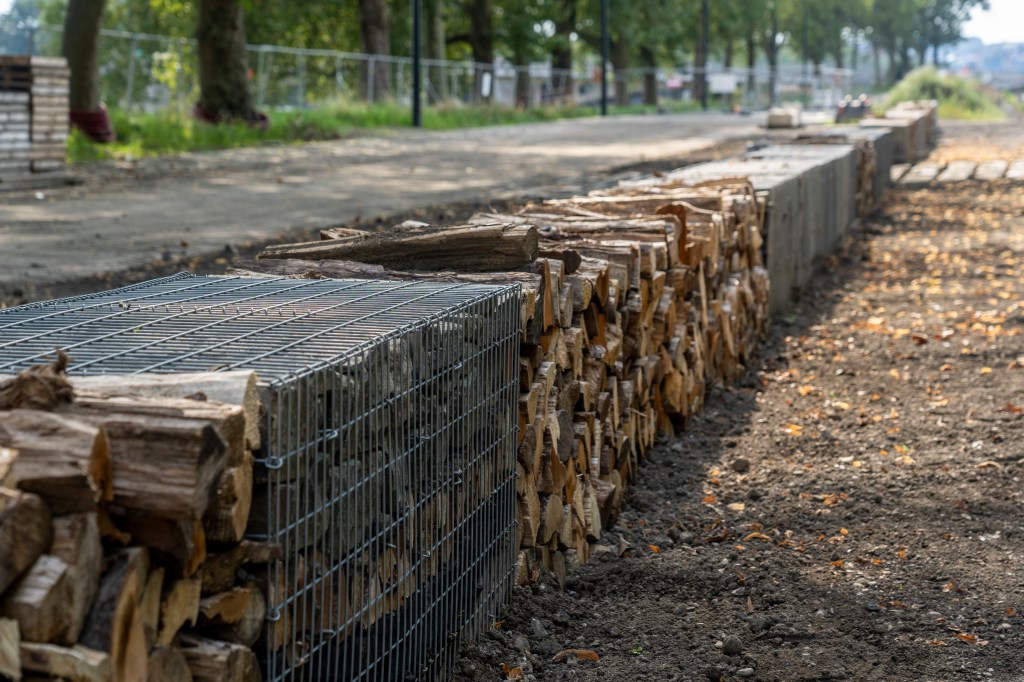
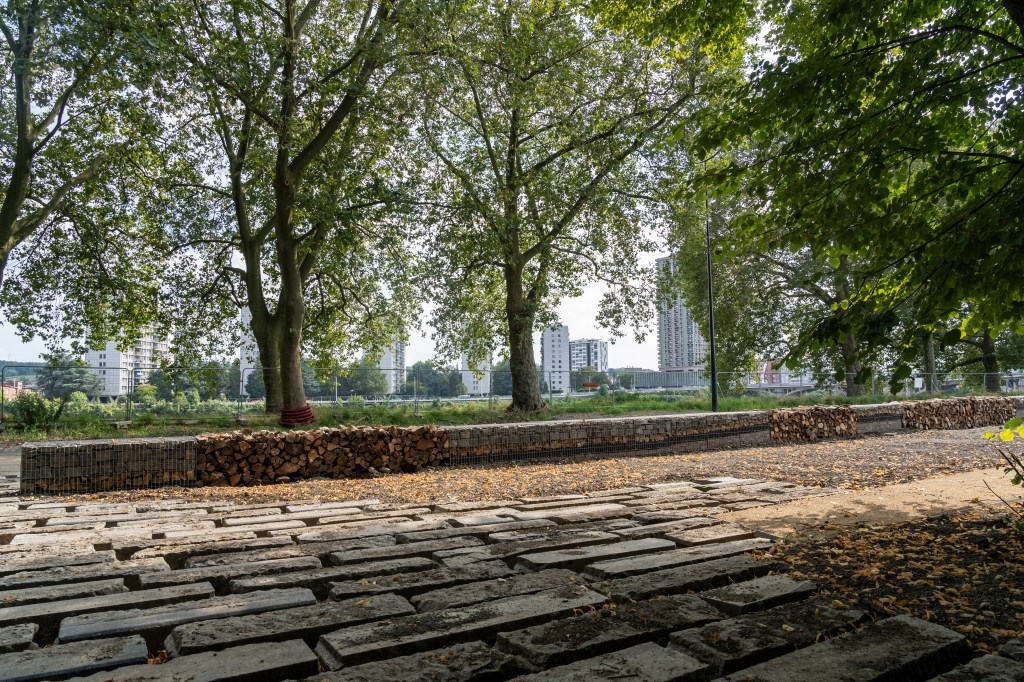
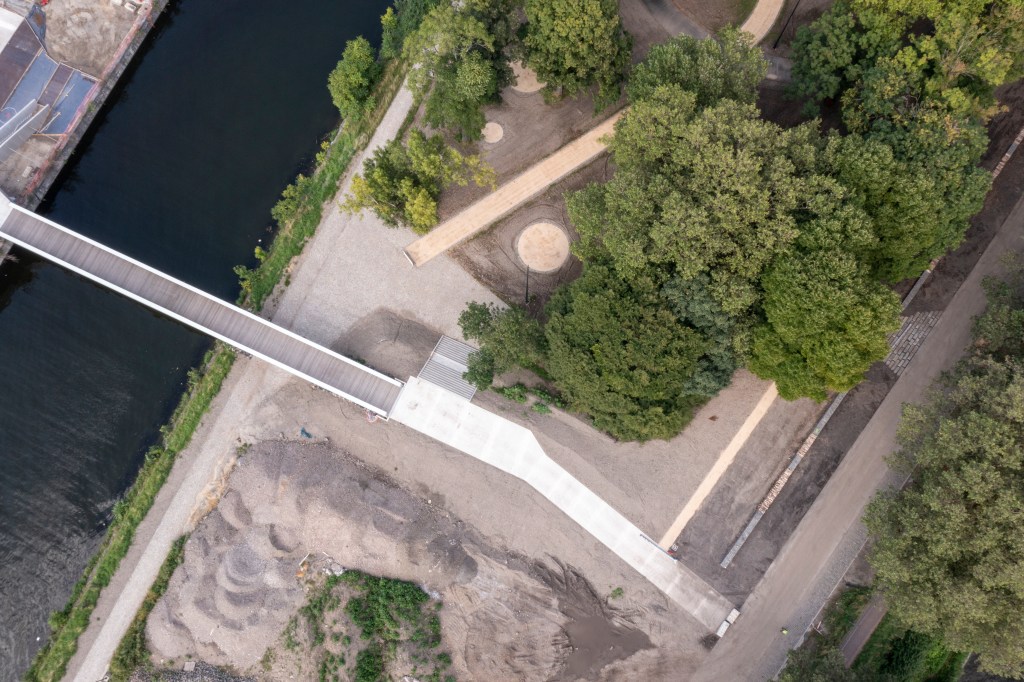
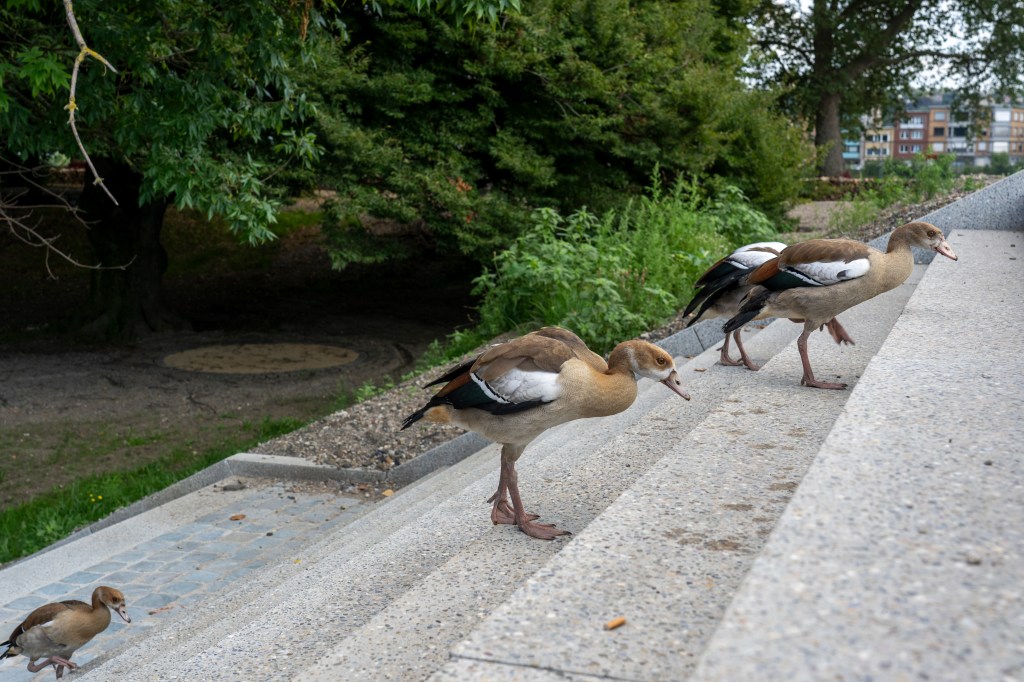
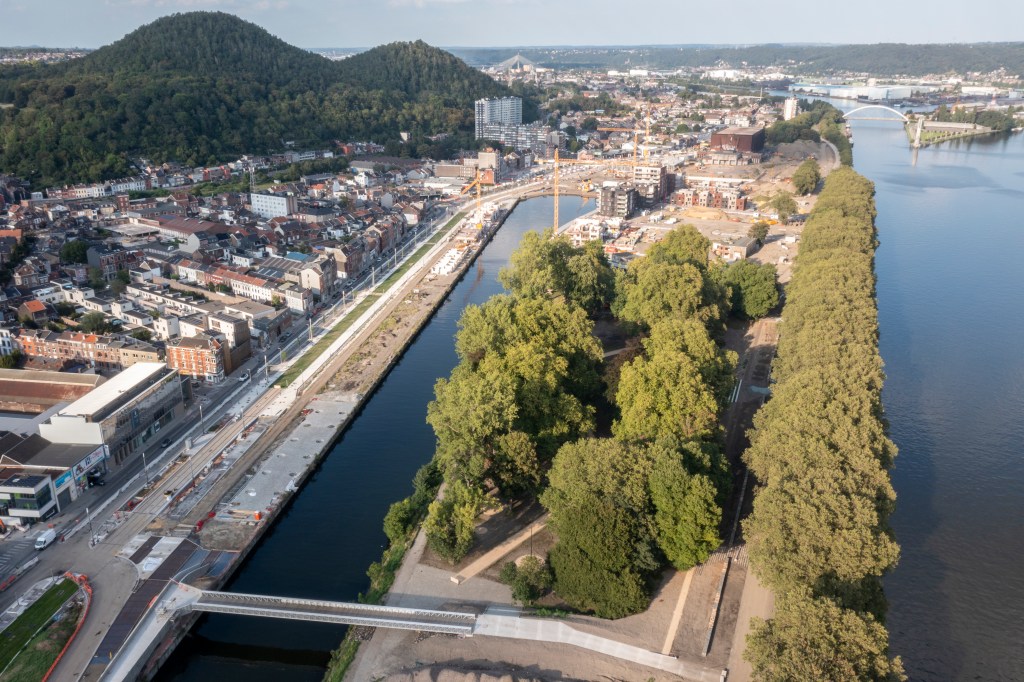
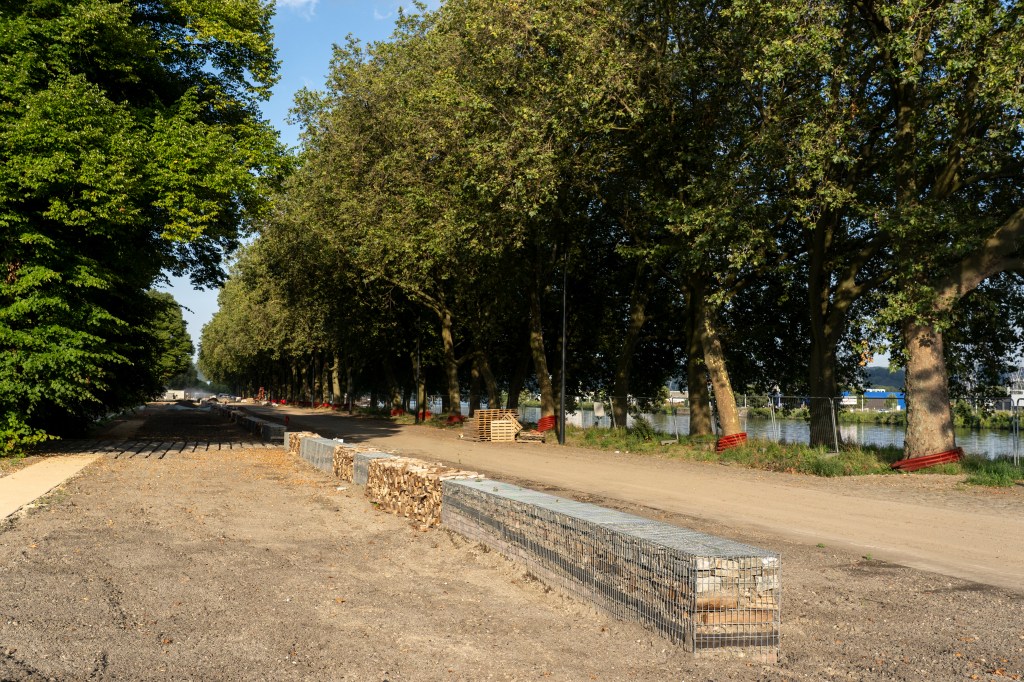
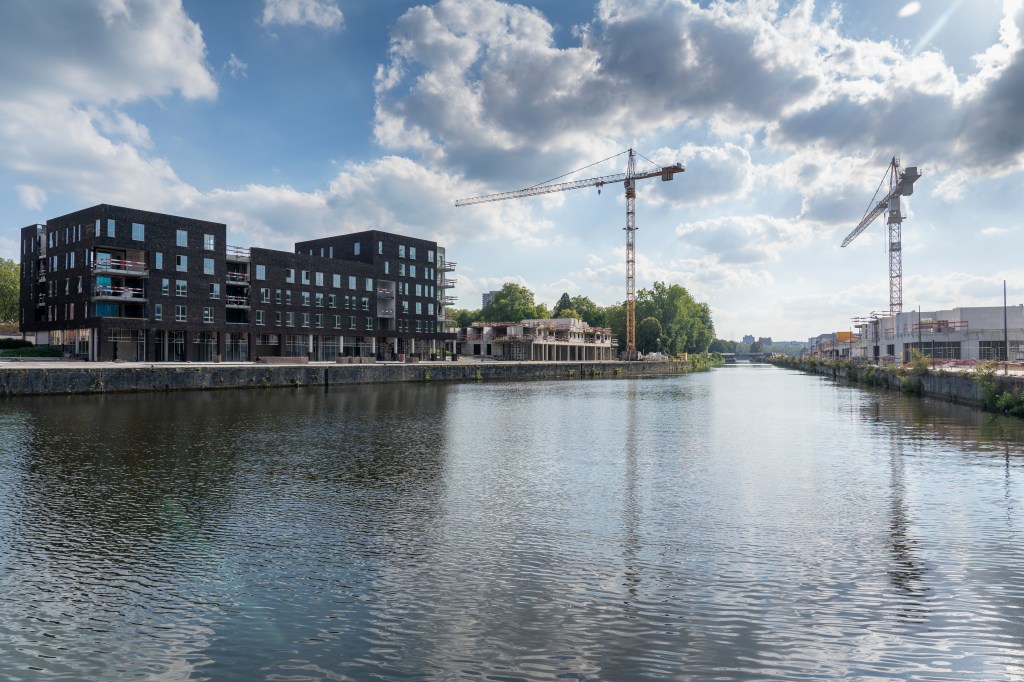
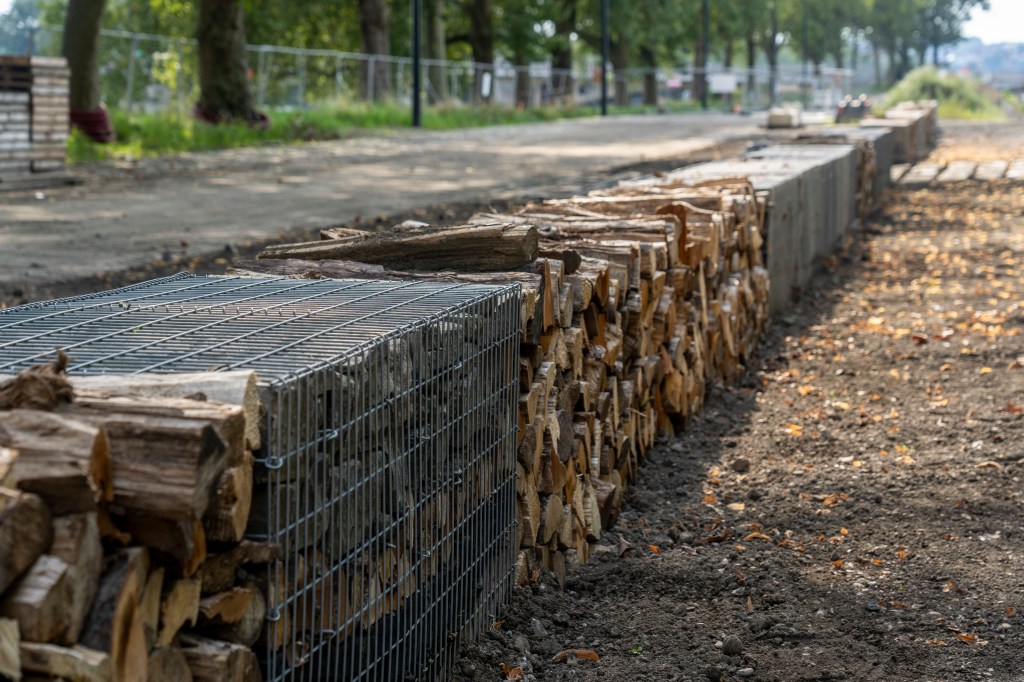
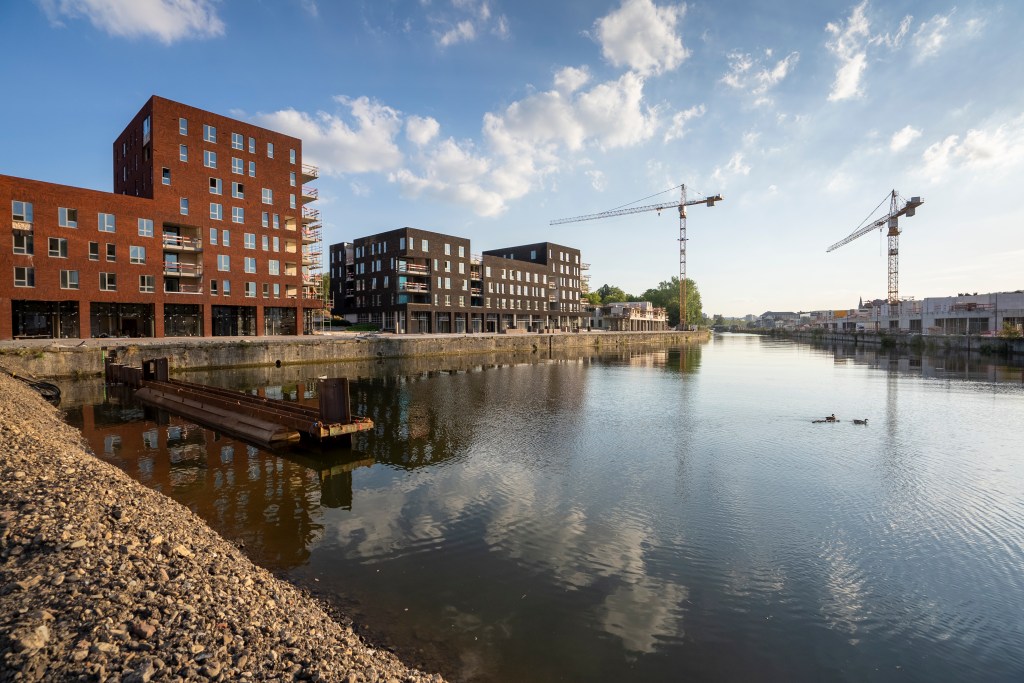
Investment and Timeline: The total investment in the eco-district is €313 million, with approximately €55 million allocated to public spaces, parks, and urban gardens. Construction began in 2020, with completion expected by the end of 2023 for most public areas.
Sustainability and Water Management: The project adopts an integrated approach to water management, ensuring that no rainwater enters the sewer system. Techniques include permeable surfaces, infiltration zones, rain gardens, and extensive use of green spaces to absorb and manage water sustainably. This comprehensive strategy sets a new standard for urban water management, contributing to the resilience and sustainability of the district.
Conclusion: The Rives Ardentes Eco-District is a pioneering project that showcases the potential of sustainable urban development. Through careful planning, innovative design, and a commitment to ecological principles, the Coronmeuse Peninsula is being transformed into a vibrant, green, and resilient neighbourhood that will serve as a model for future urban regeneration projects.
 BXLX Landscape Architecture