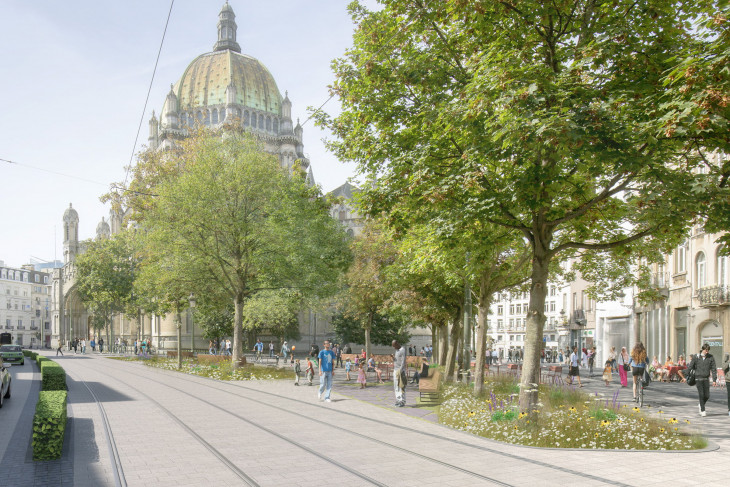
In the face of climate change, urgent measures are needed to combat heat, drought, and rainwater peaks in the city of Brussels. Trees and plants provide natural cooling, increased biodiversity, and improved quality of life, while de-paving enhances rainwater infiltration. Brussels set up a strategy for lots of small interventions
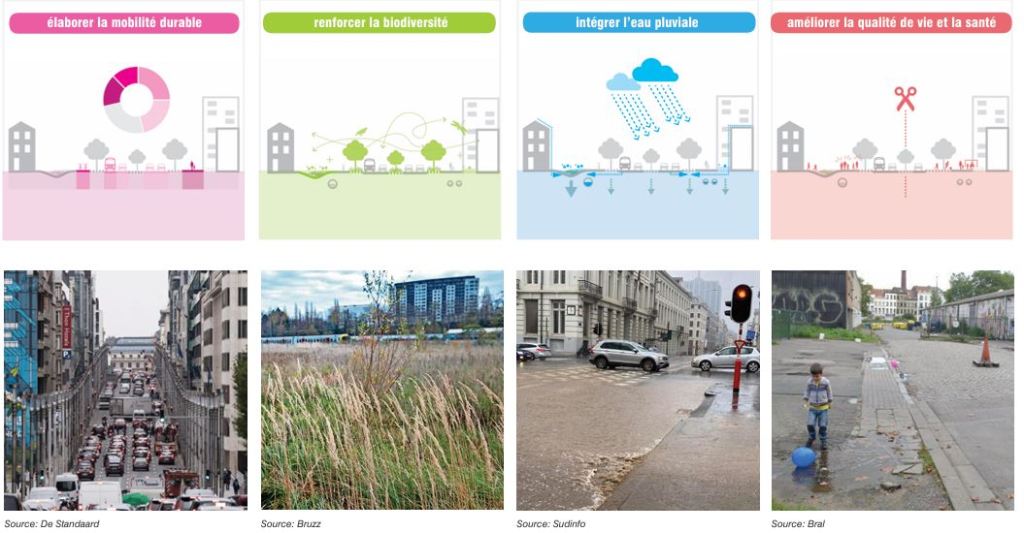
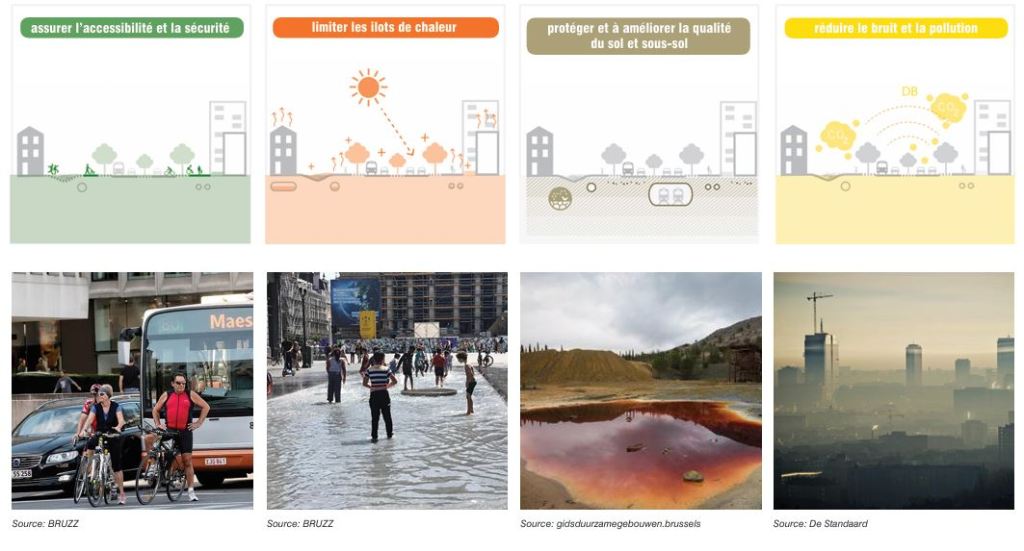
With 4,000 hectares of green space, the Brussels-Capital Region is one of the greenest cities in Europe. However, this green space is unevenly distributed: the most central and densely populated neighborhoods are heavily paved and built on historic marshlands.
Given that every square meter counts, Brussels Mobility launched a framework contract to green and de-pave streets and squares in the region, partly based on suggestions from Brussels residents.
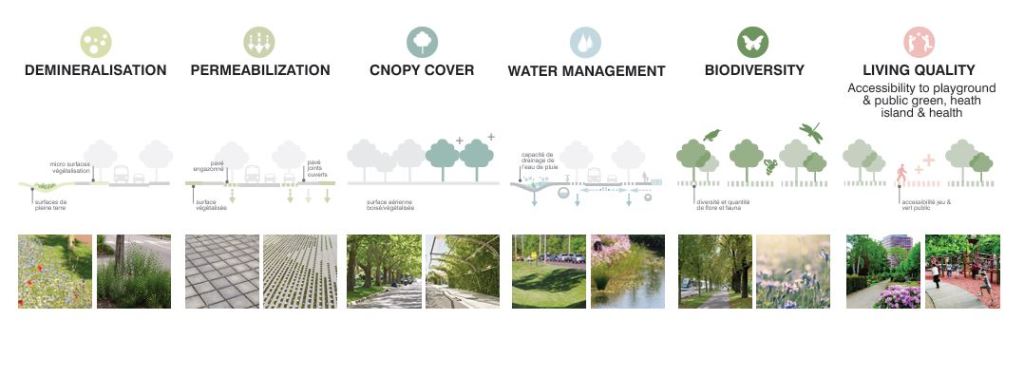
In the face of climate change, urgent measures are needed to combat heat, drought, and rainwater peaks in the city. Trees and plants provide natural cooling, increased biodiversity, and improved quality of life, while de-paving enhances rainwater infiltration.
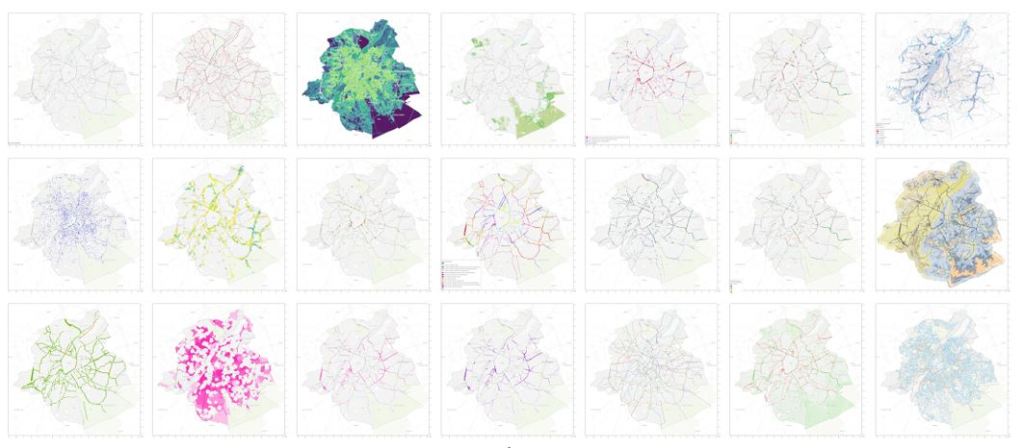
Brussels Mobility plans to plant between 1,000 and 2,000 trees annually and to de-pave thousands of square meters. Despite these efforts, 40% of open space remains paved, indicating significant potential for further de-paving and planting.
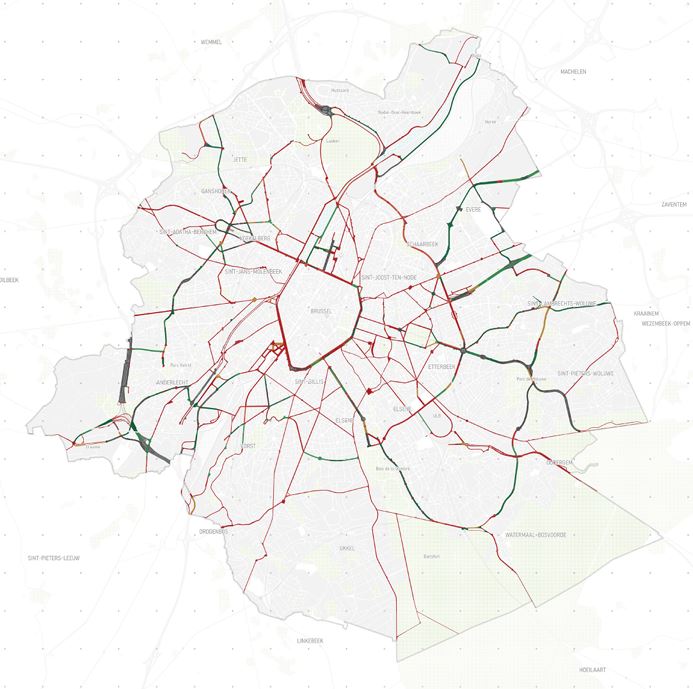
BUUR, part of Sweco, developed a strategic master plan and, in collaboration with Brussels Mobility and local authorities, designed over 100 interventions for de-paving and greening on Brussels regional roads.
 BXLX Landscape Architecture
Leave a comment